Birding South America & Peru

Birding South America & Peru
Birding Central Peru
The Ultimate Peruvian Endemics Tour Amazon Birding Central Peru birding tour is one of a series of Peru birdwatching trips we offer. This exciting tour focuses on the many species found in the central part of Peru, home to numerous specialities, ranging from Junin Grebe and Diademed Sandpiper-Plover to Bay-vented Cotinga and Golden-backed Mountain-Tanager. Forming a huge block of land on the western side of South America, Peru is one of the continent´s most mountainous countries, where isolated valleys and cordilleras have seen avian evolution in full swing.

Not only boasting an amazing avifauna of about 1817 species, it also holds a considerable number of little-known and highly localized endemics, several dozens of which have only been discovered in the last few decades. Designed as the ultimate itinerary for Peruvian endemics, this fabulous journey takes us through a wide range of habitats across the topographically complex Peruvian Andes. Next we will visit the high Andean bogs of Ticlio, the haunt of the legendary Diademed Sandpiper-Plover and a handful of exciting endemics including White-bellied Cinclodes. In farther inland lies Lago Junin, the second largest lake in the country and home to the endangered Junin Grebe. Next we shall descend to Huanuco, our base for exploring the rich and bromeliad-laden cloudforests of the Carpish Mountains and the Paty Trail.

An exciting set of tanagers and hummingbirds will await us here, as well as such secretive forest-floor endemics as Bay and Chestnut Antpittas, and a superb supporting cast of other cloudforest birds.

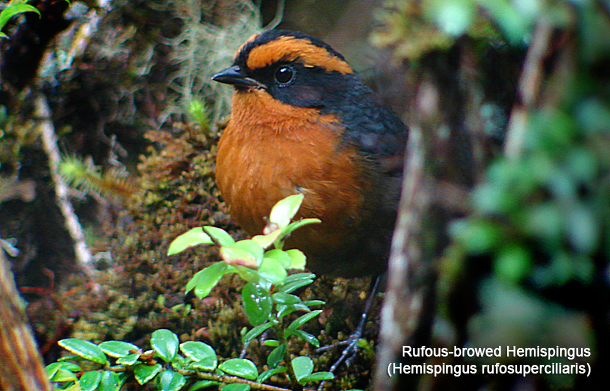
One of the highlights of the tour will undoubtedly be our trek up to the remote Bosque Unchog, where we will camp for three nights. Only first visited by ornithologists in the 1970s, this land of misty paramos and contorted elfin forests is where we shall seek out some of Peru´s most wanted endemics, including the enormous Golden-backed Mountain-Tanager, the smart Bay-vented Cotinga, the awkward Pardusco and the elusive Rufous-browed Hemispingus.


Accommodation & Road Transport: The hotels/lodges are of normal Amazon Birding standard. At Bosque Unchog we will stay for a total of three nights in a simple but comfortable tented camp (with twin or single occupancy available) Road transport is by coach and roads are decidedly variable in quality (rough in some areas).

Walking: The walking effort is mostly easy or moderate, but there are two or three more strenuous hikes.

Climate: Rather variable. At low and middle elevations many days are warm or hot, dry and sunny, though on other days it can be cool and overcast. A large part of our time will be spent at high altitudes, where conditions range from warm or cool to decidedly cold. It may well rain at times and it will be rather humid in the Carpish Mountains and at Bosque Unchog.

Bird Photography: Opportunities are quite good.

Linkable Amazon Birding: Northern & Southern Peru.

Please Contact Us if you would like to join our Birding Tour
Amazon Birding look forward to welcoming and guiding you soon!

Last minute bookings will be accepted but you must be aware that there is the possibility that we will not get space at the hotel or tour that you need.

PLEASE CHECK OUR SOUTHERN PERU BIRD LIST
PLEASE CONTACT US IF YOU HAVE ANY QUESTIONS.
AMAZON BIRDING: Conservation through bird-ecotourism.

Birding Southern Peru

BIRDING SOUTH AMERICA & PERU BIRDING
The Ultimate South American Extreme Biodiversity

Amazon birding Manu, Peru birding tour explores a classic South American birdwatching venue. This exciting tour is both a real adventure and an extraordinary birding experience (producing a huge bird list). As we travel through Peru´s amazing Manu wilderness from the High Andes right down to the lowland rainforests.

A visit to the Manu, which extends from the High Andes to the Amazonian lowlands, is one of the world´s great birding journeys! Situated at the periphery of the upper Amazon basin, the splendid Manu National Park boasts the planet´s richest biological heritage. Spanning the entire humid east slope of the Andes and including vast tracts of adjacent Amazonian lowlands, it holds the astonishing number of over 1000 bird species, or more than ten percent of the world´s avifauna, within the boundaries of a single protected area!
Manu is one of the wildest and remotest places on earth, it still holds noncontact tribes, the Maschopiros, that have never been contacted by outsiders and a multitude of rainforest creatures that form an intricate ecological network, the secrets of which man is only just starting to reveal. Habitats range from steamy lowland rainforests to luxuriant subtropical forests, moss-draped cloudforests and contorted elfin woodland at the treeline, each sheltering an entirely different set of birds. For a long time this wilderness was virtually inaccessible, but new lodges now enable us to sample a broad array of life zones and elevations in some comfort. Even for those who have previously visited several corners of the vast Amazon basin, this adventurous tour offers a treasure trove of new and exciting birds and mammals. We will begin in Cuzco, capital of the Incas, where a visit to a fine marshland area and nearby puna grassland will provide us with a sample of birds that have adapted to the rigours of living permanently at elevations of over 10,800ft (3000m).

We shall begin our exploration of Manu National Park proper in the pristine lowland rainforests surrounding Matsiguenka Camping Lodge, where each venture along the surrounding trails is sure to yield up a variety of new and exciting birds. Located in an area presumed to be one of the great Pleistocene forest refugia, these forests hold a number of little known and localized birds, including the tiny Amazonian Parrotlet and the exquisite Black-faced Cotinga. With the absence of hunting, large showy birds such as guans, macaws and toucans are still to be found easily and nowhere else in Amazonia does one have similar opportunities for viewing forest mammals.

Thirteen species of monkeys roam the forest canopy and playful groups of the endangered Giant Otter make their home in the quiet waters of oxbow lakes. Even the sight of an Ocelot or a Jaguar along the meandering Manu river is not unimaginable here in this incomparable lost world.

TOUR DETAILS
SOUTHEAST PERU-EXTREME BIODIVERSITY
MANU-WORLD NATURAL HERITAGE

  • Length: 22 days
  • Starting city: Lima
  • Ending city: Lima
  • physical difficulty: Easy to Moderate
  • Focus: Birding
  • Group size limit: 8

TOUR ITINERARY: 22 DAYS BIRDING.

Day 01: Lima – Cusco (3360m)

Depending on arrival time in Lima we either transfer to our hotel in Lima or connect to Cusco.

Day 02: Cusco – Huacarpay lakes to Machupicchu

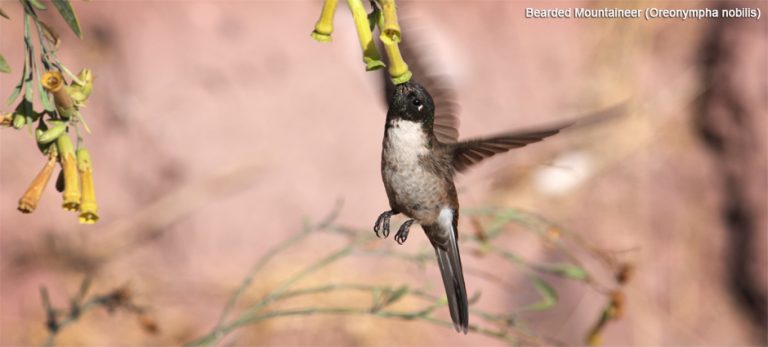
Early morning flight to Cusco(3360m) or direct departure to the field. We head out south of town with a picnic lunch to Huacarpay lakes. The lake is surrounded by Inca and pre-Inca ruins. Here we will see a variety of high Andean waterfowl including White-Tufted Grebe, Puna, Yellow-Billed and Cinnamon Teals, Yellow-billed Pintail, Ruddy Duck, Andean Coot and other wetland birds. We will lookout for Wren-like Rushbird, Many-colored Rush-tyrant, Yellow-winged Blackbird, Puna Ibis and Andean Negrito. Raptors we may see include Aplomado Falcon, Cinereous Harrier, Variable Hawk and Black-chested Buzzard-Eagle. In the arid scrub around the lake we´ll look for the endemic Rusty-fronted Canastero and Streak-fronted Thornbird. We should find the pretty, endemic Bearded Mountaineer feeding in the tree tobacco (Nicotania sp.) with Giant Hummingbird, Black-tailed and Green-tailed Trainbearers. Peruvian, Ash-breasted and Mourning Sierra-Finches will be here along with Greenish Yellow-finch and Blue-and-yellow Tanager. In the late afternoon we´ll drive to Ollantaytambo and 2 hours train journey to Aguas Calientes Town. For one night stay. B.L.D.

Day 03: Machupicchu 2400m (7,824 feet)

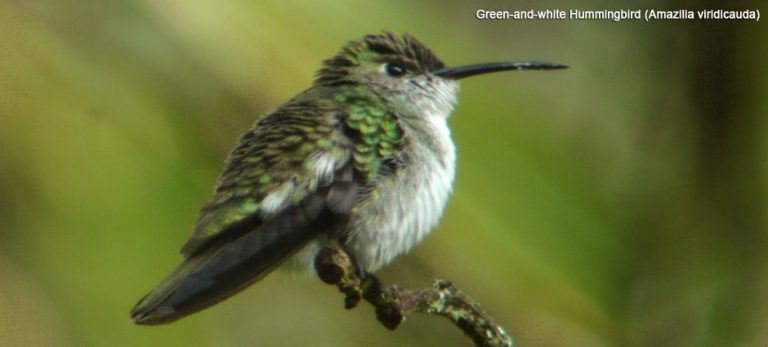
We early start birding the railway track along the Urubamba River. We will see Torrent Duck, White-capped Dipper, Fasciated tiger-Heron and Torrent Tyrannulet. In the cloud forest Andean Guan, Mitred Parakeet, Versicolored Barbet, Ocellated Piculet, Golden-olive Woodpecker, Azara´s Spinetail, Streaked Xenops, Variable Antshrike, Mottle cheeked Tyrannulet, Slaty-capped Flycatcher, Cinnamon Flycatcher, Golden-crowned Flycatcher, Barred Becard, with luck Peru´s national bird Andean cock-of-the-Rock, Red-eyed and Brown-capped Vireos, Gray-breasted Wood-Wren, Slaty Tanager, Chestnut-capped Brush-Finch, Pale-legged and Russet-crowned Warblers, Dusky-green Oropendola and many more. We will be looking specifically for Sclater´s and Bolivian Tyrranulets, Silver-backed Tanager, Pale-eyed Thrush, Masked Fruiteater (endemic), Black-streaked Puffbird, Oleaginous Hemispingus and Capped Conebill. Mixed flocks contain many species of Tanagers and the endemic Green-and-white Hummingbird is common here. After lunch we will visit the «lost city» of Machupicchu, one of the world´s most extraordinary and famous archaeological sites, and home to Inca Wren and other birds. Train in the afternoon back to the historic town of Ollantaytambo for the night. B.L.D.

Day 04: Abra Malaga cloud forest 2,700m

We will get up very early for the drive up beyond the Abra Malaga pass. We´ll have all day birding. Starting at a large patch of Chusquea bamboo we should see the endemic Parodi´s Hemispingus, Puna Thistletail, Drab, Three-striped, Black-eared and Black-capped Himispingus, Golden-collared and other Tanagers, White-throated and White-banded Tyrannulets, Black-faced Ibis, White-rumped Hawk, Sierran Elaenia as well as the endemics; Unstreaked Tit-tyrant, Marcapata Spinetail, Inca Wren. Rufous and Undulated Antpittas, the endemic Cuzco Brush-Finch. Returning to the pass around midday we will do a short, but quite strenuous walk to Abra Malaga polylepis forest  4,316m (14,000feet). Among the specialties include Line-fronted Canastero, the endemic White-browed Tit-spinetail, Tawny Tit-Spinetail, Ash -breasted Tit-tyrant, Giant Conebill, Stripe-headed Antpitta, Puna Tapaculo, Tit-like Dacnis, Blue-mantled Thornbill, Andean Condor, Thick-billed Siskin the endemic Junin Canastero and many more. Our major target bird here will be the Royal Cinclodes, which was discovered here in the 1980´s. On the valley floor we´ll check a variety of Ground-tyrants and Sierra-Finches.  We´ll concentrate on some local endemics on the west side such as Creamy-crested Spinetail, Rusty-fronted Canastero, White-tufted Sunbeam and Chestnut-breasted Mountain-finch. Late in the afternoon We´ll return to overnight in Cusco. B.L.D.

Day 05: Cusco to Wayqecha Biological Station (2950m)

Today we will leave early, first driving through scenic intermontane valleys. We will make selected stops for two smart endemics: Creamy-crested Spinetail and Chestnut-breasted Mountain-Finch. In addition, we may find Cinereous Conebill, Golden-billed Saltator, Band-tailed Seedeater, Peruvian and Ash-breasted Sierra-Finches, and Rufous-collared Sparrow. Reaching a high mountain pass at Acjanaco, we will begin our journey into a vast intact wilderness area as we descend along the sinuous road that will take us to the Manu foothills.

Along the extraordinary altitudinal transect that this remarkable road represents, new bird species continually appear whilst others drop out. Initially, the steep Andean slopes are clad in stunted forest, temperate shrubbery and wet paramo, and here we may well encounter such high-elevation species as Mountain Caracara, Shining Sunbeam, Bar-winged Cinclodes, Puna Thistletail, Tufted Tit-Tyrant and Black-throated and Moustached Flower-piercers. A little lower down, where the magnificent cloudforests begin, we shall look out for White-throated and Variable Hawks soaring over the impressive slopes. With a little luck we will see a Swallow-tailed Nightjar this evening. We will stay for two nights at the Wayqecha Biological Station. In upper Manu-cloudforest. B:L:D.

Day 06: Wayqecha Biological Station (Upper Manu cloud forest 2950m)

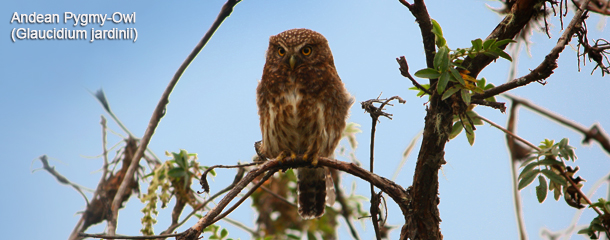
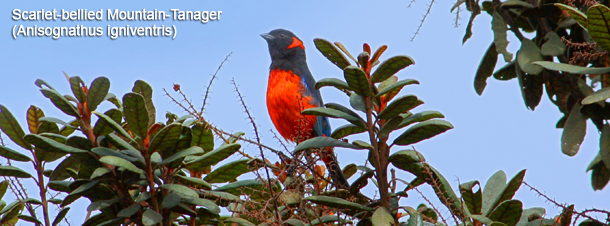
Here we´ll target some tough birds like : Crimson-mantled Woodpecker ,Blue-banded Toucanet,  the hummingbirds may include Gould´s Inca, Chestnut-breasted Coronet, Amethyst-throated Sunangel, Violet-throated Starfrontlet, Tyrian Metaltail and Rufous-capped Thornbill. Sorting through mixed flocks, we hope to find Montane Woodcreeper, Marcapata Spinetail, Pearled Treerunner, Streaked Tuftedcheek, White-throated and White-banded Tyrannulets, Handsome and Inca Flycatchers, Barred Becard, Mountain Wren, Spectacled Redstart, Citrine and Pale-legged Warblers, Capped Conebill, Blue-and-black, Golden-collared, Blue-capped, Rust-and-yellow and Grass-green Tanagers, Hooded and Chestnut-bellied Mountain-Tanagers, Short-billed Bush-Tanager, and Black-capped, Black-eared and Superciliaried Hemispinguses. Additional species we may find in this area include Andean Guan, Speckle-faced and Scaly-naped Parrots, Andean Pygmy-Owl,  Azara´s Spinetail, Striped Treehunter, the  endemic but hard to see Red-and-white Antpitta, Trilling  Tapaculo, Barred and Band-tailed Fruiteaters, Red-crested Cotinga, Sierran Elaenia, Black-throated Tody-Tyrant, Olive and Pale-edged Flycatchers, Rufous-breasted and Maroon-chested Chat-Tyrants, Streak-throated Bush-Tyrant, White-winged Black-Tyrant, Blue-and-white and Pale-footed Swallows, White-collared Jay, Fulvous Wren, Glossy-black, Great and Chiguanco Thrushes, Scarlet-bellied Mountain-Tanager and Mountain Cacique. Night in Wayqecha. B:L:D.

Day 07-8: Cock-of-the-rock Lodge (Lower Manu cloud forest 1400m)

We will drive from Wayqecha to Cock-of-the-rock Lodge, descending further down the Manu road to the comfortable subtropical and lower temperate life zones with their spectacular avifauna: In a short distance is a lek of the Andean Cock-of-the-Rock. The most spectacular of the birds of paradise. The displays of these splendid birds and their unearthly strangled shrieks will be emblazoned in our memories for years to come.

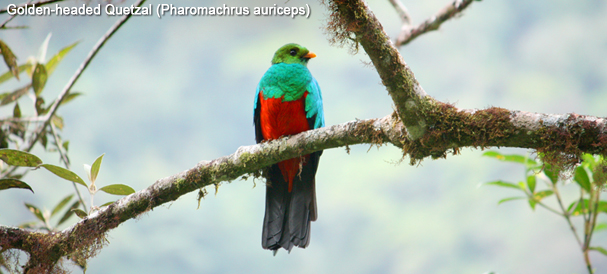
Near the lodge we shall search for such specialities as Black-billed Treehunter, Slaty Gnateater, Cinnamon-faced Tyrannulet, Versicoloured Barbet, Golden-olive Woodpecker, Olive-backed Woodcreeper, Montane Foliage-gleaner, Yellow-breasted Antwren, Streak-necked and Slaty-capped Flycatchers, Bolivian Tyrannulet, Marble-faced Bristle-Tyrant, Grey-mantled Wren, Andean and White-eared Solitaires, Brown-capped Vireo, Tropical Parula, Russet-crowned and Three-striped Warblers, Slate-throated Redstart, Deep-blue and Bluish Flower-piercers, Blue-naped Chlorophonia, Fawn-breasted, Orange-eared, Golden, Saffron-crowned, Yellow-throated and Slaty Tanagers, Yellow-throated and Common Bush-Tanagers, Black-faced Brush-Finch, Golden-headed and Crested Quetzals and  Hummingbirds such jewels as Violet-fronted Brilliant, Many-spotted Hummingbird, Speckled Hummingbird, Booted Rackettail and Long-tailed Sylph and as the morning sun warms up the crisp air we shall scan the skies for these huge raptors: Solitary and Black-and-chestnut Eagles. Additional birds we may encounter here include Band-tailed Pigeon, Chestnut-collared Swift, Masked Trogon, Highland Motmot, Amazonian Umbrellabird, Yungas Manakin, White-crowned Tapaculo, Cinnamon, Lemon-browed and Golden-crowned Flycatchers, Smoke-coloured Pewee, Green Jay, Grey-breasted Wood-Wren, Two-banded Warbler, Dusky-green Oropendola, Olivaceous Siskin  and a dazzling array of tanagers. At nights we search for Rufescent Screech-Owl and Lyre-tailed Nightjar. We will stay for two nights in Cock-of-the-rock Lodge. B:L:D.

NOTE: If Wayqecha and Cock-of-the-rock Logde are full we´ll stay at the nearby very comfortable Paradise Lodge.

Day 09: Lower Manu road

After a final morning in the birdy cloudforests we will descend further down the Manu road to the comfortable Amazonia Lodge, we shall scan the boulder-strewn rapids for Black Phoebe and White-capped Dipper. Most of the day will be spent for birding in the upper tropical forests of the foothills in search of such species as Military Macaw, Peruvian Piedtail, Chestnut-backed Antshrike, Stripe-chested Antwren, Black Antbird, Ornate Flycatcher, the localized Red-billed Tyrannulet and the delightful Black-backed Tody-Flycatcher.

With a modicum of luck we will find an Amazonian Umbrellabird perched in a roadside tree. Cleared areas may produce Smooth-billed Ani, the odd-looking Swallow-Tanager, Blue-black Grassquit, Black-and-white and Chestnut-bellied Seedeaters, and Lesser Seed-Finch. During good weather, raptors often soar overhead and we shall keep an eye out for White Hawk and Black-and-white Hawk-Eagle in particular. Later  we will cross the Alto Madre de Dios river  to Amazonia Lodge,  located at an elevation of 1750 ft (500 m) .Our base for the next three nights stay. B:L:D.

Day 10 -11: Amazonia Lodge 500m(1,750 feet)

We have two full days at this family-run hacienda, which already has a bird list of well over 500 species. It is situated where the last low foothills of the Andes begin to flatten out into the vast Amazonian lowlands. The floodplain near the lodge is covered in second growth only a few decades old, while on the steep hillsides tall primary forest is found. While birding the varied habitats at the lodge we will see a very rich assortment of birds. Some species we will especially look for include Blue-headed Macaw, Rufous-crested Coquette, Bluish-fronted Jacamar, Chestnut-capped Puffbird, Fine-barred Piculet, Bamboo Antshrike, Black-backed Tody-Flycatcher and Golden-bellied Warbler.

We should get good views of most if not all of them. Such localized species as Fiery-capped Manakin and Johannes´s Tody-Tyrant can often be found here as well, and sometimes even the elusive Black-capped Tinamou can be seen. False Vervain flowers in the lodge garden attract a multitude of dazzling hummingbirds, with possibilities including Violet-headed Hummingbird, Blue-tailed and Sapphire-spangled Emeralds, Golden-tailed Sapphire and Amethyst Woodstar. Although the hummingbird feeder is usually dominated by the large Grey-breasted Sabrewing, patience should reward us with the lovely Gould´s Jewelfront. Many birds can even be observed from the lodge porch, including the huge Boat-billed Flycatcher, the noisy Pale-legged Hornero and the skulking Plain-crowned Spinetail.

Male Yellow-rumped Caciques engage in vocal imitations from their nesting trees while the bird table provides close-up views of several species of tanager. A small marsh provides shelter for secretive Blackish Rails, though we shall be fortunate if we get to see these vocal birds, while even harder to see is the small Uniform Crake, which prefers the undergrowth of dense swampy forest. While climbing up the primary forest-clad ridge that overlooks the lodge we may encounter the endemic Koepcke´s Hermit, the terrestrial Grey-throated Leaftosser in the dark understorey  the Plain Antvireo, and lively mixed canopy flocks could hold Olivaceous and Ocellated Woodcreepers, Speckled Spinetail, Rufous-tailed Antwren, Spectacled Bristle-Tyrant, and Carmiol´s Tanager. We can try our luck with the nightbirds found in the vicinity of the lodge, such as Tawny-bellied Screech-Owl, Black-banded Owl, Common Potoo and Common Pauraque.

Other birds we may find in this wonderful area include Undulated Tinamou, Speckled Chachalaca, White-eyed Parakeet, White-collared Swift, Violaceous Trogon, Chestnut-capped Puffbird, Straight-billed Woodcreeper, Buff-throated Foliage-gleaner, Band-tailed Antbird, Amazonian Antpitta, Band-tailed Manakin, Yellow-crowned and White-lored Tyrannulets, Forest Elaenia, Long-tailed Tyrant, Dusky-capped, Short-crested, Social, Grey-capped and Streaked Flycatchers, Tropical Kingbird, White-winged Becard, Purplish Jay, House Wren, Black-billed Thrush, Solitary Cacique, Bananaquit, Spotted, Yellow-bellied, Blue-necked, Turquoise, Bay-headed, Palm and Blue-grey Tanagers, and Greyish and Buff-throated Saltators. If we are very fortunate we will find one of the more difficult and highly sought-after species of the area such as Buckley´s Forest-Falcon, Long-tailed Potoo or Rufous-webbed Brilliant. B:L:D.

Day 12: Parakeet Clay Lick to Pantiacolla Lodge

Early start to visit the small Parakeet Clay Lick, along the Madre de Dios River bank. We will see Chestnut-Fronted Macaw, Blue-Headed Macaw, Dusky-Headed Parakeet, White-Eyed Parakeet, Blue-Headed Parrot and Yellow-Crowned Parrot. Then we will board our motorized canoe that we will take us down the Upper Madre de Dios River to Pantiacolla Lodge. We will bird the bamboo forest  for Bamboo Antshrike, Fasciated Antshrike, White-Lined Antbird, White-Eyed Antwren, Yellow-breasted Warbling-Antbird, Striated Antbird, Manu Antbird, Goeldi´s Antbird, Whithe-Throated Antbird, Band-tailed Antbird, Spot-backed Antbird, Plain-throated Antwren and many more. Our base for the next two nights stay. B:L:D.

Day 13: Parrot Clay Lick

We will make an additional early visit to the Parrot Clay Lick, along the Madre de Dios River bank to have great views of Blue-Headed Macaw, Chestnut-Fronted Macaw, White-Eyed Parakeet, Blue-Headed Parrot, Yellow-Crowned Parrot and Mealy Parrot. The rest of day will be spent for picking up species we may have missed. Pantiacolla is the best place for White-cheeked Tody-Flycatcher, Flammulated Pigmy-Tyrant, Large-headed Flatbill, Sepia-capped Flycatcher, Sulphury Flycatcher,  Green Manakin, Casqued and Olive Oropendolas and many more. Ninght in Pantiacolla. B:L:D. 

Day 14: Manu National Park

Today we shall continue our river journey, leaving behind the green ridges of the foothills as we delve deeper into the humid lowlands. Eventually we will reach the clay-laden waters of the meandering Manu River and head upstream. Here in the strict confines of Manu National Park, Black Skimmers, Sand-coloured Nighthawks and the bizarre Orinoco Goose on the sandbars the Black, White Caimans lazily sun themselves nearby. Careful scanning of the river edge we may see Great Black-Hawk, the flash of a Sunbittern or the reddish brown of a Capybara, the world´s largest rodent. With just a little luck on our side we should also be able to spot the stately Razor-billed Curassow, a species driven to near-extinction in large parts of Amazonia but still reasonably common here.

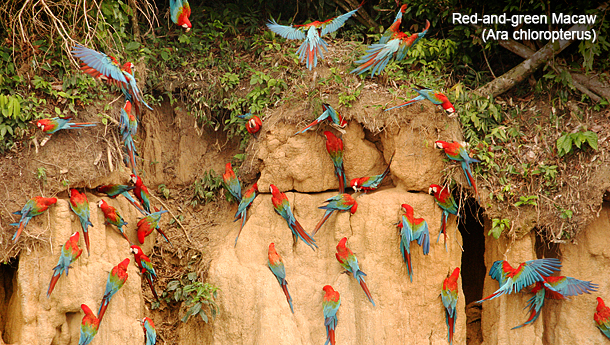
Raucous Blue-and yellow, Scarlet and Red-and-green Macaws float overhead, clothed in a riot of colours. Along the river´s edge we shall search for roosting Ladder-tailed Nightjars in the dense grassy vegetation. Other birds we may see along the way (or during river travel further into the tour) include Neotropic Cormorant, Great and Snowy Egrets, Cocoi, Little Blue and Capped Herons, Wood Stork, the enormous Jabiru, Roseate Spoonbill, Horned Screamer, Muscovy Duck, Black, Turkey, Greater Yellow-headed and King Vultures, Plumbeous Kite, the exceedingly graceful American Swallow-tailed Kite, Crane, Roadside and Short-tailed Hawks, Black Caracara, Bat and Laughing Falcons, Grey-necked Wood-Rail, Pied Lapwing, Collared Plover, Large-billed and Yellow-billed Terns, Pale-vented Pigeon, Grey-rumped and Short-tailed Swifts, Fork-tailed Palm-Swift, Chestnut-fronted and Red-bellied Macaws, Cobalt-winged and Tui Parakeets, Ringed and Amazon Kingfishers, Swallow-wing, Bare-necked Fruitcrow, Drab Water-Tyrant, Little Ground-Tyrant, Brown-chested and Grey-breasted Martins, White-winged, White-banded and Southern Rough-winged Swallows, Violaceous Jay, Red-capped Cardinal, Yellow-browed Sparrow, Giant Cowbird, and Crested and Russet-backed Oropendolas. Eventually we will arrive at the comfortable Matsiguenka Camping Lodge for a three nights stay. B:L:D.

Day 15 – 16: Salvador & Otorongo Oxbow Lakes

We strart with a Strong-billed Woodcreeper announcing the new day with its loud song, whilst the clear whistles of Cinereous and Bartlett´s Tinamous emanate from the dark forest undergrowth. Located in the vast virgin rainforest of Manu National Park, the Matsiguenka  Camping Lodge gives access to several distinct habitats including the nearby Salvador oxbow lake. Here a small catamaran allows us to float gently by the lake edge and marvel at its sensational bird and animal life.

This is also a known site for the near  endemic Black-faced Cotinga, an enigmatic bird that escaped discovery until 1965 and has still only been observed at a few localities. Entering the primeval Amazonian forest is a strange and captivating experience. Lianas hang in loops and tangles from the canopy, through which the biggest trees emerge to stand in full sunlight. We shall rise early each morning as most forest inhabitants are at their peak of activity from around dawn to about midday. During the first hours of the day many shy understorey denizens proclaim their territorial rights with their characteristic songs and by patiently tracking down these vocalizations we may be able to lay our eyes on such furtive birds as Blue-crowned and Broad-billed Motmots, Banded, Grey and Plumbeous Antbirds, Black-faced Antthrush, Ash-throated Gnateater, Ringed Antpipit, White-bellied Tody-Tyrant, Rufous-tailed Flatbill, Golden-crowned and White-crested Spadebills, Dull-capped Attila, Scaly-breasted Wren and Hauxwell´s Thrush. In the course of the morning mixed-species flocks start assembling, and often a quiet moment will suddenly be interrupted by the arrival of a nervous party of birds roving through the understorey, led by the noisy Bluish-slate Antshrike. Amongst confusing tangles of vegetation we shall experience the often frustrating challenge of identifying as many birds as possible before they all move on again.

Regular flock members include Plain-brown, Wedge-billed, Elegant and Buff-throated Woodcreepers, Rufous-tailed Foliage-gleaner, Plain and Slender-billed Xenopses, Plain-winged and Dusky-throated Antshrikes, Plain-throated, White-eyed, Ornate, White-flanked, Long-winged and Grey Antwrens, Black-faced Antbird and Tawny-crowned Greenlet. At mid-levels and in the subcanopy a different kind of mixed flock is formed around the striking White-winged Shrike-Tanager, which characteristically sits motionless on a perch regularly emitting fake alarm calls, waiting for a deceived flock member to drop its prey. We shall search through its companions to find Spot-winged Antshrike, Sclater´s and Pygmy Antwrens, Black-capped Becard and White-shouldered and Yellow-crested Tanagers. Yet another assembly may come along a little later, that of sun-loving high canopy birds, which could include Gilded and Lemon-throated Barbets, Lineated Woodcreeper, the easily overlooked Chestnut-shouldered Antwren, Wing-barred Manakin, Yellow-margined Flycatcher, Pink-throated Becard, Red-eyed Vireo, Dusky-capped Greenlet, Purple and Green Honeycreepers, Orange-bellied Euphonia, Green-and-gold and Paradise Tanagers, and perhaps even the noisy Red-billed Pied-Tanager.

Mammals too roam the forest and Manu National Park is probably the best place to see a large variety of New World primates. As many as thirteen species of monkey share the canopy and regularly seen species include the swift Bolivian Squirrel Monkey, the curious Brown and White-fronted Capuchin Monkeys, the acrobatic Black Spider Monkey, the little Saddle-back Tamarin and the lethargic Red Howler Monkey. These forests are the most accessible in all of Amazonia for the incomparable Emperor Tamarin.

Resting from forest birding, we shall float on sun-dappled Cocha Salvador. Clumsy Hoatzins clamber about in giant arum plants and Black-capped Donacobiuses perform their loud duets, whilst overhead Blue-headed, Yellow-crowned and Mealy Parrots squawk their way to or from their roosts. In addition, the lake edge holds Anhinga, Striated Heron, Rufescent Tiger-Heron, Green Ibis, Slate-coloured and Black-collared Hawks, Limpkin, Sungrebe, Wattled Jacana, Little Cuckoo, Green Kingfisher, Long-billed Woodcreeper, Great and Lesser Kiskadees, and Silver-beaked and Masked Crimson Tanagers. We even have a very good chance of encountering a friendly family group of the endangered Giant Otter actively fishing in their aquatic environment.

Penetrating further into the forest we may encounter numerous other surprises, such as a Black-tailed Trogon lighting up the dim forest interior, a pair of metallic-coloured Bluish-fronted Jacamars sallying out for dragonflies or bands of Channel-billed and White-throated Toucans feasting on a crop of ripe figs. We shall always be on the alert for those large birds that in other areas have succumbed to hunting pressure, but here in Manu still maintain healthy populations, such as Spix´s Guan, Blue-throated Piping-Guan and Pale-winged Trumpeter.

The latter roam the forest floor in bands of six to twelve individuals and if we are fortunate enough to stumble upon these marvellous but shy creatures strutting along a forest trail it will be an unforgettable experience. Other birds we may encounter in the forest labyrinth include Great Tinamou, Ornate and Black Hawk-Eagles, Red-throated Caracara, Grey-fronted Dove, Ocellated Poorwill, White-necked Jacobin, Fork-tailed Woodnymph, Collared and Blue-crowned Trogons, Black-fronted Nunbird, Red-stained and Red-necked Woodpeckers, Rufous-rumped Foliage-gleaner, Purple-throated Fruitcrow, the amazing Screaming Piha with its deafening calls, the bamboo-loving Long-crested Pygmy-Tyrant, Greyish Mourner and Musician Wren. If we are very fortunate we will come across a column of army ants with its attendant bird followers, such as Amazonian Barred-Woodcreeper, Black-spotted Bare-eye, and White-throated, Sooty and perhaps even Hairy-crested Antbirds. Nights at Matsiguenka Camping Lodge. B:L:D

Day 17: Manu Birding Lodge

After some final birding in Manu National Park we will travel back down the Manu River to its junction with the Alto Madre de Dios River. Here the water changes from quiet and tea brown to clear and fast-flowing. After travelling down the Madre de Dios River we will arrive to Manu Birding Lodge, with a bird list over 600 species, situated just upriver from the Macaw and Parrot Clay Lick.

The rest of our time will be spent birding the extensive trail systems which have been designed to visit different forest types. There will be an optional visit to the large mammal clay lick, which can attract Tapirs, Peccaries and maybe even a Jaguar, also attracts Guans, Currasows, Chachalacas as well as Rose-fronted and Rock Parakeets and Dusky-billed Parrotlet. Night birding may produce Long-tailed, Great and Common Potoos, Amazonian Pygmy Owl, Spectacled Owl, Ocellated Poorwill and Silky-tailed Nightjar amongst others. our base for the next four nights. B:L:D.

Day 18: Macaw Clay Lick

We start early morning, 40 minutes downriver to the most spectalurar and the biggest Macaw Clay lick, this one featuring up to 100 Red-and-green Macaws and observe the spectacle of hundreds of Parrots and Parakeets at close quarters from our blinds. Red-and-green Macaw is a highlight. Here we will see the beautiful Orange-cheeked Parrrot, Blue-headed Parrot as well as Mealy and Yellow-crowned Parrots.

Smaller visitors include White-eyed, Cobalt-winged and Tui Parakeeks. The rest of the time will be spent birding the extensive trail systems which have been designed to visit different forest types. The area around this lodge has the most forest types of anywhere in the Manu area. Night at Manu Birding Lodge. B:L:D.

Day 19 – 20: Blanco Oxbow Lake & Tapir Clay Lick

We will also visit Blanco Oxbow Lake. Picking up species we may have missed. Where we will see lakeside birds including Hoatzin, Sungrebe, Agami Heron, Greater Large-billed Seed-finch, Silvered and Band-tailed Antbirds, Amazonian Streaked Antwren, Rufous-sided Crake, Gray-breasted Crake, amongst others, we may be lucky to see one of the two Giant Otter families that live in the area. We will visit the large Mammal Clay Lick in the forest, apart from attracting Tapirs, Peccaries and maybe a Jaguar, also attracts Guans, Currasows, Chachalacas as well as Rose-fronted and Rock Parakeets and Dusky-billed Parrotlet. All nights at Manu Birding Lodge. B:L:D

Day 21: Canopy Tower to Puerto Maldonado

Early start to visit the  canopy tower 42 m, placed in the arms of a giant Ceiba tree. From this lofty perch we shall be seeing birds in all directions, in addition to canopy species, other possibilities here include, Rose-fronted Parakeet, Great Potoo nesting, White-necked Puffbird, White-browed Purpletuft, White-throated and Yellow-tufted Woodpeckers, Plum-throated and Spangled Cotingas, Crowned Slaty Flycatcher, Black-tailed and Black-crowned Tityras, Black-faced, Blue and Yellow-bellied Dacnises, Golden-bellied Euphonia and Olive Oropendola.

Purus Jacamar perches in scattered Cecropia trees. Our journey down the Madre de Dios River. It will be a great chance to see riverside birds and raptors. As the journey continues we´ll see evidence of gold mining. Leaving our boat at Boca Colorado town, we´ll take a 4 hours bus ride, birding along the way, into the bustling frontier town of Puerto Maldonado where we´ll stay at our comfortable hotel. B:L:D.

Day 22: Puerto Maldonado to Lima.

Early morning birding around the airport and the road to Cusco. We should pick up a lot of new species in these few hours including seedeaters, Red-breasted Blackbird and White-tailed Kite. Other birds we´ll be on the lookout for include Grassland Sparrow, Gray-breasted Crake, Black-faced Tanager, Southern Caracara, Lesser-Yellow-headed Vulture, Small-billed Tinamou, Rusty-margined and Sulphury Flycatchers etc. flight to Lima or Cusco if joining post tour extentions and connecting international flights. We´ll provide day use of a hotel in Lima for relaxing before your international flight or overnight if needed. B

Day 23: Flight Home


TOUR INFORMATION 2026

INCLUDED: All lodging, Meals, transpotation, internal flights(Lima-cusco-Puerto Maldonado-Lima), Expert bilingual birdguide, Hotel transfer and entrance fees.

NOT INCLUDED:  Airport tax & Personal expenses

TRIP CONSIDERATIONS

CLIMATE: Hot and humid in the lowlands to very cold at Abra Malaga. This is a dry season tour, but there is the possibilty of a «Friaje», a strong cold front moving up from the south that can bring periods of unusually cool weather and rain.

DIFFICULTY: Moderate. There are some long journeys and early starts, but the walking is usually fairly easy. The walk up to the Polylepis is optional, those not wishing to do the hike can stay with the bus.

ACCOMMODATION: The jungle lodges are comfortable but simple; some do not have full-time electricity, but provide a generator for a few hours a day to charge batteries. Amazonia Lodge and Wayqecha Biological Station with shared bathroom facilities. The hotels in Cusco, Ollantaytambo, and Machu Picchu are superb. The hotel we use in Lima depends on flight schedules. Sometimes we use an airport hotel that is very convenient though a bit noisy, while other times we use a superb hotel in a better part of the city.

What to Bring
We advise you to bring:

Aside from Binoculars and photo-equipment (the important birdwatchers stuff) we advise:

  • A spotting scope, if you have one
  • Flashlight for night birding
  • Light day pack
  • Sunscreen and insect repellent
  • T-shirts and a long-sleeved shirt
  • Jeans or other cotton pants are comfortable, as well as quick-drying nylon ones
  • Cotton socks
  • Sweater, jacket or fleece for night birding
  • Light jacket, water resistant, or poncho
  • Hiking boots or sturdy shoes
  • Sandals for after hours
  • Hat and sunglasses
  • Plastic bags for camera, clothes, etc
  • Personal toiletries (shampoo, towel, etc)

Amazon Birding look forward to welcoming and guiding you soon!
Last minute bookings will be accepted but you must be aware that there is the possibility that we will not get space at the hotel or tour that you need.

PLEASE CHECK OUR SOUTHERN PERU BIRD LIST
PLEASE CONTACT US IF YOU HAVE ANY QUESTIONS.
AMAZON BIRDING: Conservation through bird-ecotourism.

Birding Machu Picchu

BIRDWATCHING MACHUPICCHU AND ARCHEOLOGY ( TWO DAYS)

TOUR ITINERARY : 2 DAYS BIRDING.

Day 01: Cusco to Aguas Calientes Town (Machupicchu).

This morning we will travel from Cusco to Ollantaytambo by Bus/Van two hours journey. To take the train from Ollantaytambo to Aguas Calientes town (2000 m). Travelling down the scenic Urubamba Valley, where Torrent Duck and White-capped Dippers can regularly be seen along the fast flowing river.

This afternoon we spent birding at the botanic garden, we may see: Green Hermit, Chestnut-breasted Coronet, Speckle-faced Parrot, Sclater´s Tyrannulet, Glossy-black Thrush and the endemic Masked Fruiteater, Torrent Tyrannulet, Fawn-breasted Tanager, Saffron-crowned Tanager, Slaty Tanager, Silver-backed Tanager, Capped Conebill, Chestnut-capped Brush-Finch, Orange-bellied Euphonia and many more Night at Aguas Calientes. B:L:D.

Day 02: Aguas calientes Town to Cusco

For birding and visit to the Citadel of Machupicchu (2400m) «lost city» of the Incas is so well known from the numerous photographs and articles that feature this extraordinary place that it seems almost unnecessary to describe its dramatic setting amongst the Andes. The city is perched on a narrow ridge high above the Urubamba River and on seeing the precipitous slopes on all sides one can easily appreciate why it remained undiscovered for so many years.

The area around Machupicchu has been cleared of forest and so scrub and bamboo thickets are now the predominant habitat, inhabited by the noisy endemic Inca Wren, although some forest patches can be found along the river valley. Other species we may find in the area include Mitred Parakeet, White-tipped Swift, the endemic Green-and-white Hummingbird, Collared Inca, Ocellated Piculet, Streaked Xenops, Variable Antshrike, Mottle-cheeked Tyrannulet, Rusty Flowerpiercer, Oleaginous Hemispingus, Yellow-bellied Seedeater and Hooded Siskin. In the late afternoon we will return to Cusco.B:L.


TOUR INFORMATION 2026

INCLUDED: All Lodging, Meals, transpotation, Expert bilingual birdguide, Hotel transfer and entrance fees.
NOT INCLUDED:Personal expenses

TRIP CONSIDERATIONS

Accommodation. The hotels/guest houses are mostly of normal Amazon Birding standard. 
Walking: The walking effort is mostly easy.
Climate: Rather variable.  many days are sunny,  It may well rain at times.
Bird Photography: Opportunities are worthwhile.
Linkable Amazon birding: Northern,Central &Southern peru tours.

Amazon Birding look forward to welcoming and guiding you soon!
Last minute bookings will be accepted but you must be aware that there is the possibility that we will not get space at the hotel or tour that you need.

PLEASE CHECK OUR MACHUPICCHU BIRD LIST
PLEASE CONTACT US IF YOU HAVE ANY QUESTIONS.
AMAZON BIRDING: Conservation through bird-ecotourism.

Birding Huacarpay & Cusco

BIRDING HUACARPAY & SAN SALVADOR LAKE (ONE DAY TOUR FROM CUSCO)
Huacarpay birding on request half day, arriving or leaving from cusco and birding Saqsaywaman near by the mainsquare of Cusco.

TOUR ITINERARY : 1 DAY BIRDING.

Day 01: Huacarpay – San Salvador Lake

This morning we will drive from Cusco to Huacarpay lakes 30km, where we will head out with a picnic lunch to the Huacarpay lakes (3070 m) south of Cusco, Where we will see a variety of high Andean waterfowl and wetland birds, a selection of typical highland passerines like Blue-and-yellow Tanager, Rusty and Black-throated Flowerpiercer. We will likely see the spectacular and endemic Bearded Mountaineer feeding in Tabaco flowering bushes near the lake a spectacular hummingbird restricted to just a few arid valleys. Other birds we may well encounter here are White-tufted Grebe, Yellow-Billed, Puna and Cinnamon Teals, Yellow-billed Pintail, Ruddy Duck, Cinereous Harrier, Black-chested Buzzard-Eagle, Variable Hawk, Plumbeous Rail, Puna Ibis, Andean Coot, Andean Lapwing, Andean Gull, Andean Flicker, Andean Negrito, the impressive Giant Hummingbird, Sparkling Violetear, Black tailed and Green-tailed Trainbearers, the endemic Rusty-fronted Canastero, Streak-fronted Thornbird, Wren-like Rushbird, Many-colored Rush Tyrant, White-crested Elaenia, Yellow-billed Tit-Tyrant, White-browed Chat-Tyrant, Rufous-naped and Spot-billed Ground-Tyrants, Greenish Yellow-Finch, Peruvian sierra-Finch, Mourning sierra-Finch, Golden-billed Saltator, Yellow-winged Blackbird, Hooded Siskin and many more.

We will drive one hour from Huacarpay to San Salvador Lake (4000 m), the main target birds are the Andean Goose, Crested Duck, Silvery Grebe, Black-faced Ibis and Giant Coot. Near by the lake we will search for Andean Hilstar. There are small patch of Polylepis forest for two endemics of peru, the Creamy-crested Spinetail and Chestnut-breasted Mountain-Finch. In the late afternoon we will drive back to Cusco.


TOUR INFORMATION 2026

PRICE: based in two passengers.
INCLUDED: Picnic lunch, transportation and Expert bilingual birdguide.
NOT INCLUDED: Personal expenses

TRIP CONSIDERATIONS

Walking:The walking effort is easy
Climate: Rather variable. Sunny, though on other days it can be cool and overcast. At high altitudes conditions range from cool to decidedly cold in the early morning.

Bird Photography: Opportunities are worthwhile.

Linkable Amazon birding: Many tours in Southeast peru: Manu, Machu Picchu and Abra Malaga.

Amazon Birding look forward to welcoming and guiding you soon!

PLEASE CHECK OUR HUACARPAY BIRD LIST
PLEASE CONTACT US IF YOU HAVE ANY QUESTIONS.
AMAZON BIRDING: Conservation through bird-ecotourism.
Birding Cusco & Abra Malaga

ABRA MALAGA BIRDING THE POLYLEPIS AND CLOUD FOREST

TOUR ITINERARY : 2 DAYS BIRDING.

From Cusco & Ollantaytambo.
Day 01: Abra Malaga (the pass 4316m)

We will need an early start as we drive up to a very high pass at 14,000 ft (4,316 m). Near the pass are groves of Polylepis woodland with several globally threatened species such as Royal Cinclodes, Ash-breasted Tit-Tyrant, and the endemic White-browed Tit-Spinetail. The walking is quite moderate due to the elevation. Sourrouding the Polylepis forest we may see Andean Goose, Crested Duck, Mountain Caracara, Andean Lapwing, Blue-mantled Thornbill, Andean Flicker, Tawny Tit-Spinetail, Streak-throated Canastero, Line-fronted Canastero, Stripe-headed Antpitta, Puna Tapaculo, Taczanowski´s Ground-Tyrant, Red-rumped Bush-Tyrant, Rufous-webbed Bush-Tyrant, Giant Conebill and Black Siskin Later in the day we will target other species in the roadside scrub such as the endemics White-tufted Sunbeam, Creamy-crested Spinetail and Chestnut-breasted Mountain-Finch. Night in Ollantaytambo.

B:L:D.

Day 02: Abra Malaga (cloud forest 2700m)

Early start to drive up the pass and arrive to the upper montane evergreen forest, chusquea bamboo forest, streams and scrubs. We may see Imperial Snipe, Golden-plumed Pararakeet, Sword-billed Hummingbird, Great Sapphirewing, Violet-throated Starfrontlet, Sapphire-vented Puffleg, Scaled Metaltail, Purple-backed Thornbill, Gray-breasted Mountain-Toucan, Puna Thistletail the endemic Marcapata Spinetail, Pearled Treerunner, Streaked Tuftedcheek, Rufous Antpitta, Rusty-breasted Antpitta, Undulated Antpitta the endemic Red-and-white Antpitta, Diademed Tapaculo, Trilling Tapaculo, Highland Elaenia, Sierran Elaenia the endemic Unstreaked Tit-Tyrant, Black-throated Tody-Tyrant, Bran-colored Flycatcher, Rufous-bellied Bush-Tyrant, Smoky Bush-Tyrant the endemic Inca Wren, Mountain Wren, Great Thrush the endemic Parodi´s Hemispingus, Rufous-chested Tanager, Scarlet-bellied Mountain-Tanager, Lacrimose Mountain-Tanager, Plushcap, Tit-like Dacnis, Blue-backed Conebill, Moustached Flower-piercer, Stripe-headed Brush-Finch the endemic Cuzco Brush-Finch, Golden-bellied Grosbeak, Mountain Cacique and many more. In the late afternoon we will drive back to Cusco.

B:L.

Note: Abra Malaga birding tour, in One day-on request.

TOUR INFORMATION 2022

PRICE: min. 2 passengers — based in double occupancy.
INCLUDED: Hotel*** in Ollantaytambo, Meals, Transpotation, Expert bilingual birdguide, Hotel transfer and entrance fees.
NOT INCLUDED: Personal expenses

TRIP CONSIDERATIONS

Accommodation. The hotels/guest houses are mostly of normal Amazon Birding standard.

Walking: The walking effort is easy to moderate.

Climate: Rather variable. At high altitudes conditions range from cool to decidedly cold in the early morning. At middle elevations many days are dry and sunny, though on other days it can be cool and overcast.

Bird Photography: Opportunities are worthwhile.

Linkable Amazon birding: Northern, Central & Southern peru birding tours

PLEASE CHECK OUR ABRA MALAGA BIRD LIST
PLEASE CONTACT US IF YOU HAVE ANY QUESTIONS.
AMAZON BIRDING: Conservation through bird-ecotourism.

Birding Condor Valley & Apurimac Endemics

ENDEMICS OF APURIMAC & ANDEAN CONDORS

TOUR ITINERARY: 1 DAY BIRDING.

Day 01: Lima – Cusco – Aguas Calientes Town – Machupicchu

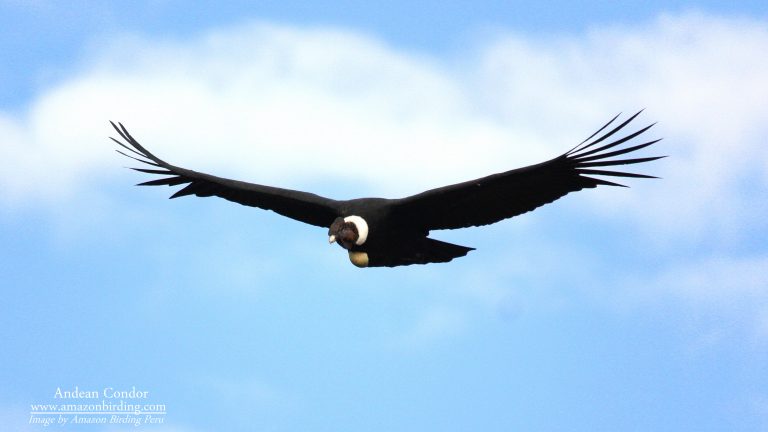
Today we will drive for three hours to the Endemic area searching for Apurimac Brush-Finch, Apurimac Spinetail, Vilcabamba Tapaculo, and many other endemics like White-tufted Sunbeam, Chestnut-breasted Mountain Finch, Creamy Creasted Spinetail, Rusty fronted Canastero, and others species from the High Andes dry-forest. After 09:30 am we will drive to the Condor Valley. A special itinerary to see and photograph the Andean Condors (Vultur gryphus). One hour more drive to Chonta village then we walk for one hour to the point to see the Andean Condors, the activity start from 10:30am until 18:15 pm. The Condor Valley is above the Apurimac River, this place is for nesting and sleeping area. Late in the afternoon we will drive back to Cusco.

L.


TOUR INFORMATION 2022

  • PRICE: min.2 passengers
  • INCLUDED: Picnic lunch,transportation, check list and Expert bilingual birdguide.
  • NOT INCLUDED: Personal expenses

TOUR  DETAILS

  • Length: 1 day
  • Starting city: Cusco
  • Ending city: Cusco
  • physical difficulty: Easy to moderate 
  • Focus: Birding the Apurimac Endemics & Andean Condors
  • Group size limit: 9

TRIP CONSIDERATIONS

Walking: The walking effort is easy to moderate.
Climate: Rather variable. sunny, though on other days it can be cool and overcast. At high altitudes conditions range from cool to decidedly cold in the early morning.

Bird Photography: Opportunities are worthwhile.

Linkable Amazon birding: Many tours in Southern peru: Manu, Machupicchu and Abra Malaga.Amazon Birding look forward to welcoming and guiding you soon!Last minute bookings will be accepted but you must be aware that there is the possibility that we will not get space at the tour that you need.

PLEASE CHECK OUR AMPAY BIRD LIST
PLEASE CONTACT US IF YOU HAVE ANY QUESTIONS.
AMAZON BIRDING: Conservation through bird-ecotourism.
Birding Manu & Machupicchu

BIRDWATCHING MACHUPICCHU AND MANU BIOSPHERE RESERVE 14 DAYS
Two Weeks Mega Birding
Manu Biosphere Reserve has the highest biodiversity of any protected area in the world. The unparalleled beauty of this trip is in the landscape and variety of habitats ranging from orchid-draped cloud forest where Spectacled Bears and Cock-of-the-Rocks still exist unbothered, to pristine Amazon rainforest with 13 primate species and oxbow lakes frequented by Giant Otters. A trip to Manu is a trip to one of the world´s great wilderness areas where wildlife is still plentiful and over 1000 species of birds have been recorded. Add to this a breathtaking visit to Machu Picchu and you have a trip of a lifetime.

TOUR ITINERARY : 14 DAYS BIRDING.

Day 0: Arrival

Depending on arrival time in Lima we either transfer to your hotel in Lima or connect to Cusco.

Day 01: Lima – Cusco – Aguas Calientes Town – Machupicchu

Depending on arrival time to Cusco, if is morning flight to Cusco, we direct departure to the field-Huacarpay Lakes. If not we transfer to Ollantaytambo- Aguas Calientes. From Cusco we are going to drive for two hours to Ollantaytambo town to take the evening train (two hours) to Aguas Calientes town. Night in Aguas Calientes . L.D. *Birding Huacarpay Lakes, here we will see a variety of high Andean waterfowl, wetland birds, and a selection of typical highland passerines. We will likely see the spectacular and endemic Bearded Mountaineer feeding in Tabaco flowering bushes near the lake. One of our main goals is to find the Bearded Mountaineer, a spectacular hummingbird restricted to just a few arid valleys. Other birds we may well encounter here are White-tufted Grebe, Puna Ibis, Yellow-Billed, Puna and Cinnamon Teals, Andean Duck, Cinereous Harrier, Plumbeous Rail, Andean Coot, Andean Lapwing, Andean Negrito, Andean Gull, the impressive Giant Hummingbird, Sparkling Violetear, Green-tailed Trainbearer, Andean Flicker, the endemic Rusty-fronted Canastero, Streak-fronted Thornbird, Many-colored Rush Tyrant, Wren-like Rushbird, White-browed Chat-Tyrant, Spot-billed Ground-Tyrant, Yellow-winged Blackbird, Greenish Yellow-Finch, and many more.

Day 02: Machupicchu to Cusco

Early morning for birding and visit to the Citadel of Machupicchu (2400m) lost city of the Incas is so well known from the numerous photographs and articles that feature this extraordinary place that it seems almost unnecessary to describe its dramatic setting amongst the Andes. The city is perched on a narrow ridge high above the Urubamba River and on seeing the precipitous slopes on all sides one can easily appreciate why it remained undiscovered for so many years. The area around Machupicchu has been cleared of forest and so scrub and bamboo thickets are now the predominant habitat, inhabited by the noisy endemic Inca Wren, although some forest patches can be found along the river valley. Other species we may find in the area include Mitred Parakeet, White-tipped Swift, Green-and-white Hummingbird, Collared Inca, Ocellated Piculet, Streaked Xenops, Variable Antshrike, Mottle-cheeked Tyrannulet, Rusty Flowerpiercer, Oleaginous Hemispingus, Yellow-bellied Seedeater, Hooded Siskin. Along the Urubamba River, where Torrent Duck and White-capped Dippers can regularly be seen along the fast flowing river.This afternoon we spent birding at the botanic garden. We may see: Green Hermit, Chestnut-breasted Coronet, Speckle-faced Parrot, Sclater’s Tyrannulet,Glossy-black Thrush and the endemic Masked Fruiteater, Torrent Tyrannulet, Fawn-breasted Tanager, Saffron-crowned Tanager, Slaty Tanager, Silver-backed Tanager, Capped Conebill, Chestnut-capped Brush-Finch and Orange-bellied Euphonia. In the late afternoon we will return to Cusco. B.L.D.

Day 03: Cusco to Wayqecha Biological Station (2950m)

Today we will leave early, first driving and birding through scenic intermontane valleys . We will make selected stops for two smart endemics: Creamy-crested Spinetail and Chestnut-breasted Mountain-Finch. In addition, we may find Cinereous Conebill, Golden-billed Saltator, Band-tailed Seedeater, Peruvian and Ash-breasted Sierra-Finches. Reaching a high mountain pass at Acjanacu, we will begin our journey into a vast intact wilderness area as we descend along the sinuous road that will take us to the Manu foothills. Along the extraordinary altitudinal transect that this remarkable road represents, new bird species continually appear whilst others drop out. Initially, the steep Andean slopes are clad in stunted forest, temperate shrubbery and wet paramo, and here we may well encounter such high-elevation species as Mountain Caracara, Shining Sunbeam, Bar-winged Cinclodes, Puna Thistletail, Tufted Tit-Tyrant and Black-throated and Moustached Flower-piercers. A little lower down, where the magnificent cloudforests begin, we shall look out for White-throated and Variable Hawks soaring over the impressive slopes. With a little luck we will see a Swallow-tailed Nightjar this evening. We will stay for one night at the Wayqecha Biological Station. In upper Manu-cloudforest. L.D.

Day 05: Cock-of-the-rock Lodge (1400m)

Cock-of-the-rock Lodge, the Manu road the comfortable subtropical and lower temperate life zones with their spectacular avifauna: In a short distance is a lek of the Andean Cock-of-the-Rock. The most spectacular of the birds of paradise. The displays of these splendid birds and their unearthly strangled shrieks will be emblazoned in our memories for years to come. Near the lodge we shall search for such specialities as Black-billed Treehunter, Slaty Gnateater, Cinnamon-faced Tyrannulet, Versicoloured Barbet, Golden-olive Woodpecker, Olive-backed Woodcreeper, Montane Foliage-gleaner, Yellow-breasted Antwren, Streak-necked and Slaty-capped Flycatchers, Bolivian Tyrannulet, Marble-faced Bristle-Tyrant, Grey-mantled Wren, Andean and White-eared Solitaires, Brown-capped Vireo, Tropical Parula, Russet-crowned and Three-striped Warblers, Slate-throated Redstart, Deep-blue and Bluish Flower-piercers, Blue-naped Chlorophonia, Fawn-breasted, Orange-eared, Golden, Saffron-crowned, Yellow-throated and Slaty Tanagers, Yellow-throated and Common Bush-Tanagers, Dark-faced Brush-Finch, Golden-headed and Crested Quetzals and Hummingbirds such jewels as Violet-fronted Brilliant, Many-spotted Hummingbirds Speckled Hummingbird, Booted Rackettail and Long-tailed Sylph. and as the morning sun warms up the crisp air we shall scan the skies for these huge raptors: Solitary and Black-and-chestnut Eagles . Additional birds we may encounter here include Band-tailed Pigeon, Chestnut-collared Swift, Masked Trogon, Highland Motmot, Amazonian Umbrellabird, Yungas Manakin ,White-crowned Tapaculo, Cinnamon, Lemon-browed and Golden-crowned Flycatchers, Smoke-coloured Pewee, Green Jay, Grey-breasted Wood-Wren, Two-banded Warbler, Dusky-green Oropendola, Olivaceous Siskin and a dazzling array of tanagers.At nights we search for Rufescent Screech-Owl and Lyre-tailed Nightjar. Night in Cock-of-the-rock Lodge. B:L:D.
NOTE: If Wayqecha and Cock-of-the-rock Logde are full we’ll stay at the nearby very comfortable Paradise Lodge

Day 06: Lower Manu road to Amazonia Lodge

After a final morning in the birdy cloudforests we will descend further down the Manu road to the comfortable Amazonia Lodge, we shall scan the boulder-strewn rapids for Black Phoebe and White-capped Dipper. Most of the day will be spent birding the upper tropical forests of the foothills in search of such species as Military Macaw, Peruvian Piedtail, Chestnut-backed Antshrike, Stripe-chested Antwren, Black Antbird, Ornate Flycatcher, the localized Red-billed Tyrannulet and the delightful Black-backed Tody-Flycatcher. With a modicum of luck we will find an Amazonian Umbrellabird perched in a roadside tree. Cleared areas may produce Smooth-billed Ani, the odd-looking Swallow-Tanager, Blue-black Grassquit, Black-and-white and Chestnut-bellied Seedeaters, and Lesser Seed-Finch. During good weather, raptors often soar overhead and we shall keep an eye out for White Hawk and Black-and-white Hawk-Eagle in particular. Later we will cross the Alto Madre de Dios river to Amazonia Lodge, located at an elevation of 1750 ft (500 m). Our base for the next two nights stay. B:L:D.

Day 07: Amazonia Lodge 500m

Where the last low foothills of the Andes begin to flatten out into the vast Amazonian lowlands. The floodplain near the lodge is covered in second growth only a few decades old, while on the steep hillsides tall primary forest is found. While birding the varied habitats at the lodge we will see a very rich assortment of birds. Some species we will especially look for include Blue-headed Macaw, Rufous-crested Coquette, Bluish-fronted Jacamar, Chestnut-capped Puffbird, Fine-barred Piculet, Bamboo Antshrike, Black-backed Tody–Flycatcher, and Golden-bellied Warbler. we should get good views of most if not all of them. Such localized species as Fiery-capped Manakin and Johannes’s Tody-Tyrant can often be found here as well, and sometimes even the elusive Black-capped Tinamou can be seen. False Vervain flowers in the lodge garden attract a multitude of dazzling hummingbirds, with possibilities including Violet-headed Hummingbird, Blue-tailed and Sapphire-spangled Emeralds, Golden-tailed Sapphire and Amethyst Woodstar. Although the hummingbird feeder is usually dominated by the large Grey-breasted Sabrewing, patience should reward us with the lovely Gould’s Jewelfront. Many birds can even be observed from the lodge porch, including the huge Boat-billed Flycatcher, the noisy Pale-legged Hornero and the skulking Plain-crowned Spinetail. Male Yellow-rumped Caciques engage in vocal imitations from their nesting trees while the bird table provides close-up views of several species of tanager. A small marsh provides shelter for secretive Blackish Rails, though we shall be fortunate if we get to see these vocal birds, while even harder to see is the small Uniform Crake, which prefers the undergrowth of dense swampy forest. While climbing up the primary forest-clad ridge that overlooks the lodge we may encounter the endemic Koepcke’s Hermit, the terrestrial Grey-throated Leaftosser in the dark understorey the Plain Antvireo, whilst lively mixed canopy flocks could hold Olivaceous and Ocellated Woodcreepers, Speckled Spinetail, Rufous-tailed Antwren, Spectacled Bristle-Tyrant, and Olive Tanager. We can try our luck with the nightbirds found in the vicinity of the lodge, such as Tawny-bellied Screech-Owl, Black-banded Owl, Common Potoo and Pauraque. Other birds we may find in this wonderful area include Undulated Tinamou, Speckled Chachalaca, White-eyed Parakeet, White-collared Swift, Amazonian Violaceous Trogon, Chestnut-capped Puffbird, Straight-billed Woodcreeper, Buff-throated Foliage-gleaner, Band-tailed Antbird, Amazonian Antpitta, Band-tailed Manakin, Yellow-crowned and White-lored Tyrannulets, Forest Elaenia, Long-tailed Tyrant, Dusky-capped, Short-crested, Social, Grey-capped and Streaked Flycatchers, Tropical Kingbird, White-winged Becard, Purplish Jay, House Wren, Black-billed Thrush, Solitary Cacique, Bananaquit, Spotted, Yellow-bellied, Blue-necked, Turquoise, Bay-headed, Palm and Blue-grey Tanagers, and Greyish and Buff-throated Saltators. If we are very fortunate we will find one of the more difficult and highly sought-after species of the area such as Buckley’s Forest-Falcon, Long-tailed Potoo or Rufous-webbed Brilliant. Night at Amazonia Lodge. B:L:D.

Day 08: Parrot Clay Lick to Hummingbird Lodge

Early start to visit the small Parrot Clay Lick, 25 minutes downriver along the Madre de Dios river bank. We will see Chestnut-Fronted Macaw, Blue-Headed Macaw, Dusky-Headed Parakeet, White-Eyed Parakeet, Blue-Headed Parrot and Yellow-Crowned Parrot. Then we will board our motorized canoe that we will take us down the Madre de Dios river to Amazon Wildlife Center Lodge.. Today we shall continue our river journey, leaving behind the green ridges of the foothills as we delve deeper into the humid lowlands, Black Skimmers, Sand-coloured Nighthawks and the bizarre Orinoco Goose. Careful scanning of the river edge may reveal the awkward shape of a Great Black-Hawk, the flash of a Sunbittern or the reddish brown of a Capybara, the world’s largest rodent. With just a little luck on our side we should also be able to spot the stately Razor-billed Curassow, a species driven to near-extinction in large parts of Amazonia but still reasonably common here. Raucous Blue-and yellow, Scarlet and Red-and-green Macaws float overhead, clothed in a riot of colours. Along the river’s edge we shall search for roosting Ladder-tailed Nightjars in the dense grassy vegetation. Other birds we may see along the way (or during river travel further into the tour) include Neotropic Cormorant, Great and Snowy Egrets, Cocoi, Little Blue and Capped Herons, Wood Stork, the enormous Jabiru, Roseate Spoonbill, Horned Screamer, Muscovy Duck, Black, Turkey, Greater Yellow-headed and King Vultures, Plumbeous Kite, the exceedingly graceful American Swallow-tailed Kite, Crane, Roadside and Short-tailed Hawks, Black Caracara, Bat and Laughing Falcons, Grey-necked Wood-Rail, Pied Lapwing, Collared Plover, Large-billed and Yellow-billed Terns, Pale-vented Pigeon, Grey-rumped and Short-tailed Swifts, Fork-tailed Palm-Swift, Chestnut-fronted and Red-bellied Macaws, Cobalt-winged and Tui Parakeets, Ringed and Amazon Kingfishers, Swallow-wing, Bare-necked Fruitcrow, Drab Water-Tyrant, Little Ground-Tyrant, Brown-chested and Grey-breasted Martins, White-winged, White-banded and Southern Rough-winged Swallows, Violaceous Jay, Red-capped Cardinal, Yellow-browed Sparrow, Giant Cowbird, and Crested and Russet-backed Oropendolas. Eventually we will arrive at the comfortable Hummingbird Lodge for one night stay (No hot shower). B:L:D.

Day 09: Hummingbird Lodge to Amazon Wildlife Center

After some final birding at Hummingbird Lodge, We will drive downstream through the famous Madre de Dios River, for two hours boat ride. To our very comfortable Amazon Wildlife Center, rooms with a private toilet and shower facilities. Hot and cold water is always available and all toilets facilities are flush. 567 species of birds have been recorded here. Night at Amazon Wildlife Center, our base for 4 nights. B:L:D.

Day 10: Macaw Clay Lick & AWC Trails

We start early morning, 40 minutes downriver to the most spectalurar and the biggest Macaw Clay lick, this one featuring up to 100 Red-and-green Macaws and observe the spectacle of hundreds of Parrots and Parakeets very close from our blinds. Red-and-green Macaw is a highlight. Here we will see the beautiful Orange-cheeked Parrrot, Blue-headed Parrot as well as Mealy and Yellow-crowned Parrots. Smaller visitors include White-eyed, Cobalt-winged and Tui Parakeeks. This afeternoon we will bird the extensive trail systems which have been designed to visit different forest types. The area around this lodge has the most forest types of anywhere in the Manu area. Night at Amazon Wildlife Center. B:L:D.

Day 11: Blanco Oxbow Lake & Tapir Clay lick

We will also visit Blanco Oxbow Lake. Picking up species we may missed. Where we will see lakeside birds including Hoatzin, Sungrebe, Agami Heron, Black-billed Seed-finch, Silvered and Band-tailed Antbirds, Amazonian Streaked Antwren, Rufous-sided Crake, Gray-breasted Crake, amongst others and we may be lucky and see one of the two Giant Otter families that live in the area.We will visit the large Mammal Clay Lick in the forest, apart from attracting Tapirs, Peccaries and maybe a Jaguar, also attracts Guans, Currasows, Chachalacas as well as Rose-fronted and Rock Parakeets and Dusky-billed Parrotlet. Night at Amazon Wildlife Center. B:L:D

Day 12: Amazon Wildlife Center & Manakin Leks

Today we will be birding the extensive trail systems which have been designed to visit different forest types. The area around this lodge has the most forest types of anywhere in the Manu area, and thus the highest bio-diversity – which means the most species of birds. With the extensive Varzea, Tierra Firme and Mature Transitional Floodplain Forest, this means a mind-boggling variety of bird-life. We expect this lodge area to hold more species of birds than anywhere else in the world and the bird list is already 567. We will look for the Rufous-fronted Antthrush we have located on territory here. Some of the scarcer forest species we will be on the lookout for that we have seen here previously include : Bartlett’s Tinamou, Razor-billed Currasow, Pale-winged Trumpeter, Sunbittern, Elusive Antpitta Pavonine Quetzal, Purus Jacamar, Striolated Puffbird, Gray-cheeked Nunlet, Cream-colored Woodpecker, Ocellated Woodcreeper, Colared Puffbird, Ruddy Spinetail, Plain Softail, Striped Woodhaunter, Sclater’s Antwren, Banded Antbird, Ash-throated Gnateater, White-throated Antbird, Black-spotted Bare-eye, Black-faced Cotinga, Ochre-bellied Flycatcher, White-bellied tody-tyrant, Royal Flycatcher, Musician Wren, Pale-eyed Blackbird, Yellow-shouldered Grosbeak to name but a few. Night birding may produce Long-tailed, Great and Common Potoos, Amazonian Pygmy Owl, Spectacled Owl, Ocellated Poorwill and Silky-tailed Nightjar amongst others. Optional another visit to the large mammal Clay lick in the forest, apart from attracting Tapirs, Peccaries and maybe a Jaguar, also attracts Guans, Currasows, Chachalacas as well as Rose-fronted and Rock Parakeets and Dusky-billed Parrotlet. Night at Amazon Wildlife Center. B:L:D

Day 13: Canopy Tower to Puerto Maldonado City

Early start to visit the canopy tower 38 m. From this lofty perch we shall be seeing birds in all directions, in addition canopy species, other possibilities here include, Rose-fronted Parakeet, White-necked Puffbird, White-browed Purpletuft, White-throated and Yellow-tufted Woodpeckers, Plum-throated and Spangled Cotingas, Crowned Slaty Flycatcher, Black-tailed and Black-crowned Tityras, Black-faced, Blue and Yellow-bellied Dacnises, White-lored Euphonia and Olive Oropendolas. Our journey down the Madre de Dios River. It will be a great chance to see riverside birds and raptors. As the journey continues we’ll see evidence of gold mining. Leaving our boat. At Boca Colorado, well take a 4 hours bus ride, birding along the way to Puerto Maldonado where we’ll stay at our comfortable Hotel. B:L:D.

Day 14: Puerto Maldonado to Lima

This morning we will bird near the airport and the road to Cusco which several species of widespread distribution have colonized in the wake of deforestation. We should pick up some new species in these few hours, including Double-collared Seedeater, Red-breasted Blackbird and possibly White-tailed Kite or Lesser Yellow-headed Vulture. Other birds we will look for include Southern Caracara, Gray-breasted Crake, Scaled Pigeon, Rusty-margined Flycatcher, Black-faced Tanager and Grassland Sparrow. Later we will take a midday flight, via Cusco, to Lima where the tours ends this afternoon. Soon after we leave Puerto Maldonado, and as we head towards the Andes, a green Amazonian wilderness reaches out towards the distant horizon. It is a sight to lift the spirits of anyone depressed by the endless news about the progressive destruction of our planet, for here nature still survives almost untouched, as we have just seen up close for ourselves. Night in Lima. B:

Day 15: Flight Home

TOUR INFORMATION 2026
PRICE: min. 2 passengers — based in double occupancy.
INCLUDED: All lodging, Meals, transportation, Expert bilingual birdguide, Check list, Hotel transfer and entrance fees.
NOT INCLUDED: Does not include air Puerto Maldonado to Lima but we will purchase these on request, Airport tax & Personal expenses.

TRIP CONSIDERATIONS
CLIMATE: Hot and humid in the lowlands to very cold at Abra Malaga. In a dry season tour there is the possibilty of a «Friaje», a strong cold front moving up from the south that can bring periods of unusually cool weather and rain.
DIFFICULTY: Moderate. There are some long journeys and early starts, but the walking is usually fairly easy. The walk up to the Polylepis is optional, those not wishing to do the hike can stay with the bus.
ACCOMMODATION: The jungle lodges are comfortable but simple; some do not have full-time electricity, but provide a generator for a few hours a day to charge batteries. The hotels in Cusco, Ollantaytambo, Machu Picchu and Puerto Maldonado are Amazon Birding Standard. The hotel we use in Lima depends on flight schedules. Sometimes we use an airport hotel that is very convenient though a bit noisy, while other times we use a hotel in a better part of the city.

Bird Photography: Opportunities are worthwhile.
Linkable Amazon birding: Central & Northern peru

What to Bring:
We advise you to bring:

  • Aside from Binoculars and photo-equipment (the important birdwatchers stuff), we advise:
  • A spotting scope, if you have one
  • Flashlight for night birding
  • Light day pack
  • Sunscreen and insect repellent
  • T-shirts and a long-sleeved shirt
  • Jeans or other cotton pants are comfortable, as well as quick-drying nylon ones
  • Cotton socks
  • Sweater, jacket or fleece for night birding
  • Light jacket, water resistant, or poncho
  • Hiking boots or sturdy shoes
  • Sandals for after hours
  • Hat and sunglasses
  • Plastic bags for camera, clothes, etc
  • Personal toiletries (shampoo, towel, etc)

NOTE: In rainy season we provide umbrella and rubber boots in many popular sizes for rainy days.

Amazon Birding look forward to welcoming and guiding you soon!
Last minute bookings will be accepted but you must be aware that there is the possibility that we will not get space at the hotel or tour that you need.

PLEASE CHECK OUR SOUTHERN PERU BIRD LIST
PLEASE CONTACT US IF YOU HAVE ANY QUESTIONS.
AMAZON BIRDING: Conservation through bird-ecotourism.

Birding Manu National Park

BIRDWATCHING MANU NATIONAL PARK 15 DAYS
Manu Biosphere Reserve has the highest biodiversity of any protected area in the world. The unparalleled beauty of this trip is in the landscape and variety of habitats ranging from orchid-draped cloud forest where Spectacled Bears and Cock-of-the-Rocks still exist unbothered, to pristine Amazon rainforest with 13 primate species and oxbow lakes frequented by Giant Otters. A trip to Manu is a trip to one of the world´s great wilderness areas where wildlife is still plentiful and over 1000 species of birds have been recorded. Add to this a breathtaking visit to Machu Picchu and you have a trip of a lifetime.

TOUR ITINERARY : 15 DAYS BIRDING.

Day 0: Arrival

Depending on arrival time in Lima we either transfer to your hotel in Lima or connect to Cusco.

Day 01: Cusco to Wayqecha Biological Station (2950m)

Today we will leave early, first driving and birding through scenic intermontane valleys. We will make selected stops for two smart endemics: Creamy-crested Spinetail and Chestnut-breasted Mountain-Finch. In addition, we may find Cinereous Conebill, Golden-billed Saltator, Band-tailed Seedeater, Peruvian and Ash-breasted Sierra-Finches. Reaching a high mountain pass at Acjanacu, we will begin our journey into a vast intact wilderness area as we descend along the sinuous road that will take us to the Manu foothills. Along the extraordinary altitudinal transect that this remarkable road represents, new bird species continually appear whilst others drop out. Initially, the steep Andean slopes are clad in stunted forest, temperate shrubbery and wet paramo, and here we may well encounter such high-elevation species as Mountain Caracara, Shining Sunbeam, Bar-winged Cinclodes, Puna Thistletail, Tufted Tit-Tyrant and Black-throated and Moustached Flower-piercers. A little lower down, where the magnificent cloudforests begin, we shall look out for White-throated and Variable Hawks soaring over the impressive slopes. With a little luck we will see a Swallow-tailed Nightjar this evening. We will stay for one night at the Wayqecha Biological Station. In upper Manu-cloudforest. L.D.

Day 02: Wayqecha Biological Station to Cock-of-the-rock Lodge

Today we’ll target some tough birds like: Crimson-mantled Woodpecker, Blue-banded Toucanet, the hummingbirds may include Gould’s Inca, Chestnut-breasted Coronet, Amethyst-throated Sunangel, Violet-throated Starfrontlet, Tyrian Metaltail and Rufous-capped Thornbill. Sorting through mixed flocks, we hope to find Montane Woodcreeper, Marcapata Spinetail, Pearled Treerunner, Streaked Tuftedcheek, White-throated and White-banded Tyrannulets, Handsome and Inca Flycatchers, Barred Becard, Mountain Wren, Spectacled Redstart, Citrine and Pale-legged Warblers, Capped Conebill, Blue-and-black, Golden-collared, Blue-capped, Rust-and-yellow and Grass-green Tanagers, Hooded and Chestnut-bellied Mountain-Tanagers, Yellow-whiskered Bush-Tanager, and Black-capped, Black-eared and Superciliaried Hemispinguses. Additional species we may find in this area include Andean Guan, Speckle-faced and Scaly-naped Parrots, Andean Pygmy-Owl, Azara’s Spinetail, Striped Treehunter, the endemic but hard to see Red-and-white Antpitta, Trilling Tapaculo, Barred and Band-tailed Fruiteaters, Red-crested Cotinga, Sierran Elaenia, Black-throated Tody-Tyrant, Olive and Pale-edged Flycatchers, Rufous-breasted and Maroon-chested Chat-Tyrants, Streak-throated Bush-Tyrant, White-winged Black-Tyrant, Blue-and-white and Pale-footed Swallows, White-collared Jay, Fulvous Wren, Glossy-black, Great and Chiguanco Thrushes, Scarlet-bellied Mountain-Tanager and Mountain Cacique. We will stay for two nights at Cock-of-the-rock Lodge. B:L:D.

Day 03: Cock-of-the-rock Lodge (Lower Manu cloud forest 1400m)

Cock-of-the-rock Lodge, the Manu road the comfortable subtropical and lower temperate life zones with their spectacular avifauna: In a short distance is a lek of the Andean Cock-of-the-Rock. The most spectacular of the birds of paradise. The displays of these splendid birds and their unearthly strangled shrieks will be emblazoned in our memories for years to come. Near the lodge we shall search for such specialities as Black-billed Treehunter, Slaty Gnateater, Cinnamon-faced Tyrannulet, Versicoloured Barbet, Golden-olive Woodpecker, Olive-backed Woodcreeper, Montane Foliage-gleaner, Yellow-breasted Antwren, Streak-necked and Slaty-capped Flycatchers, Bolivian Tyrannulet, Marble-faced Bristle-Tyrant, Grey-mantled Wren, Andean and White-eared Solitaires, Brown-capped Vireo, Tropical Parula, Russet-crowned and Three-striped Warblers, Slate-throated Redstart, Deep-blue and Bluish Flower-piercers, Blue-naped Chlorophonia, Fawn-breasted, Orange-eared, Golden, Saffron-crowned, Yellow-throated and Slaty Tanagers, Yellow-throated and Common Bush-Tanagers, Dark-faced Brush-Finch, Golden-headed and Crested Quetzals and Hummingbirds such jewels as Violet-fronted Brilliant, Many-spotted Hummingbirds Speckled Hummingbird, Booted Rackettail and Long-tailed Sylph. and as the morning sun warms up the crisp air we shall scan the skies for these huge raptors: Solitary and Black-and-chestnut Eagles. Additional birds we may encounter here include Band-tailed Pigeon, Chestnut-collared Swift, Masked Trogon, Highland Motmot, Amazonian Umbrellabird, Yungas Manakin, White-crowned Tapaculo, Cinnamon, Lemon-browed and Golden-crowned Flycatchers, Smoke-coloured Pewee, Green Jay, Grey-breasted Wood-Wren, Two-banded Warbler, Dusky-green Oropendola, Olivaceous Siskin and a dazzling array of tanagers. At nights we search for Rufescent Screech-Owl and Lyre-tailed Nightjar. Night in Cock-of-the-rock Lodge. B:L:D. NOTE: If Wayqecha and Cock-of-the-rock Lodge are full we’ll stay at the nearby very comfortable Paradise Lodge.

Day 04: Lower Manu road to Amazonia Lodge

After a final morning in the birdy cloudforests we will descend further down the Manu road to the comfortable Amazonia Lodge, we shall scan the boulder-strewn rapids for Black Phoebe and White-capped Dipper. Most of the day will be spent birding the upper tropical forests of the foothills in search of such species as Military Macaw, Peruvian Piedtail, Chestnut-backed Antshrike, Stripe-chested Antwren, Black Antbird, Ornate Flycatcher, the localized Red-billed Tyrannulet and the delightful Black-backed Tody-Flycatcher. With a modicum of luck we will find an Amazonian Umbrellabird perched in a roadside tree. Cleared areas may produce Smooth-billed Ani, the odd-looking Swallow-Tanager, Blue-black Grassquit, Black-and-white and Chestnut-bellied Seedeaters, and Lesser Seed-Finch. During good weather, raptors often soar overhead and we shall keep an eye out for White Hawk and Black-and-white Hawk-Eagle in particular. Later we will cross the Alto Madre de Dios river to Amazonia Lodge, located at an elevation of 1750 ft (500 m). Our base for the next two nights stay. B:L:D.

Day 05: Amazonia Lodge 500m (1,750 feet)

Where the last low foothills of the Andes begin to flatten out into the vast Amazonian lowlands. The floodplain near the lodge is covered in second growth only a few decades old, while on the steep hillsides tall primary forest is found. While birding the varied habitats at the lodge we will see a very rich assortment of birds. Some species we will especially look for include Blue-headed Macaw, Rufous-crested Coquette, Bluish-fronted Jacamar, Chestnut-capped Puffbird, Fine-barred Piculet, Bamboo Antshrike, Black-backed Tody–Flycatcher, and Golden-bellied Warbler. we should get good views of most if not all of them. Such localized species as Fiery-capped Manakin and Johannes’s Tody-Tyrant can often be found here as well, and sometimes even the elusive Black-capped Tinamou can be seen. False Vervain flowers in the lodge garden attract a multitude of dazzling hummingbirds, with possibilities including Violet-headed Hummingbird, Blue-tailed and Sapphire-spangled Emeralds, Golden-tailed Sapphire and Amethyst Woodstar. Although the hummingbird feeder is usually dominated by the large Grey-breasted Sabrewing, patience should reward us with the lovely Gould’s Jewelfront. Many birds can even be observed from the lodge porch, including the huge Boat-billed Flycatcher, the noisy Pale-legged Hornero and the skulking Plain-crowned Spinetail. Male Yellow-rumped Caciques engage in vocal imitations from their nesting trees while the bird table provides close-up views of several species of tanager. A small marsh provides shelter for secretive Blackish Rails, though we shall be fortunate if we get to see these vocal birds, while even harder to see is the small Uniform Crake, which prefers the undergrowth of dense swampy forest. While climbing up the primary forest-clad ridge that overlooks the lodge we may encounter the endemic Koepcke’s Hermit, the terrestrial Grey-throated Leaftosser in the dark understorey the Plain Antvireo, whilst lively mixed canopy flocks could hold Olivaceous and Ocellated Woodcreepers, Speckled Spinetail, Rufous-tailed Antwren, Spectacled Bristle-Tyrant, and Olive Tanager. We can try our luck with the nightbirds found in the vicinity of the lodge, such as Tawny-bellied Screech-Owl, Black-banded Owl, Common Potoo and Pauraque. Other birds we may find in this wonderful area include Undulated Tinamou, Speckled Chachalaca, White-eyed Parakeet, White-collared Swift, Amazonian Violaceous Trogon, Chestnut-capped Puffbird, Straight-billed Woodcreeper, Buff-throated Foliage-gleaner, Band-tailed Antbird, Amazonian Antpitta, Band-tailed Manakin, Yellow-crowned and White-lored Tyrannulets, Forest Elaenia, Long-tailed Tyrant, Dusky-capped, Short-crested, Social, Grey-capped and Streaked Flycatchers, Tropical Kingbird, White-winged Becard, Purplish Jay, House Wren, Black-billed Thrush, Solitary Cacique, Bananaquit, Spotted, Yellow-bellied, Blue-necked, Turquoise, Bay-headed, Palm and Blue-grey Tanagers, and Greyish and Buff-throated Saltators. If we are very fortunate we will find one of the more difficult and highly sought-after species of the area such as Buckley’s Forest-Falcon, Long-tailed Potoo or Rufous-webbed Brilliant. Night at Amazonia Lodge. B:L:D.

Day 06: Parrot Clay Lick to Hummingbird Lodge

Early start to visit the small Parrot Clay Lick, 25 minutes downriver along the Madre de Dios river bank. We will see Chestnut-Fronted Macaw, Blue-Headed Macaw, Dusky-Headed Parakeet, White-Eyed Parakeet, Blue-Headed Parrot and Yellow-Crowned Parrot. Then we will board our motorized canoe that we will take us down the Madre de Dios river to Hummingbird Lodge. Today we shall continue our river journey, leaving behind the green ridges of the foothills as we delve deeper into the humid lowlands. Careful scanning of the river edge may reveal the awkward shape of a Great Black-Hawk, Roadside and Short-tailed Hawks, Black Caracara, Bat and Laughing Falcons, Drab Water-Tyrant. Eventually we will arrive at the comfortable Hummingbird Lodge for two nights stay. B.L.D.

Day 07: Birding at Hummingbird Lodge

Hummingbird Lodge is the best place to see Festive Coquette, Flammulated Pigmy-Tyrant, Large-headed Flatbill, Sepia-capped Flycatcher, Sulphury Flycatcher, Green Manakin, Casqued and Olive Oropendolas. We will bird the bamboo forest for Bamboo Antshrike, Fasciated Antshrike, White-Eyed Antwren, Yellow-breasted Warbling-Antbird, Goeldi’s Antbird, White-Throated Antbird, Band-tailed Antbird, Spot-backed Antbird, Plain throated Antwren, Rufous-headed Woodpecker, Manu Antbird (common here), White-cheeked Tody-flycatcher, Brown-rumped Foliage-gleaner, Large-headed and Dusky-tailed Flatbills, Peruvian Recurvebill, Dusky-cheeked and Brown-rumped Foliage-gleaners, Ihring’s and Ornate Antwren, White-lined Antbird, Striated Antbird and many more. Night at the Hummingbird Lodge. B.L.D.

Day 08: Hummingbird Lodge to Matsiguenka Lodge (Manu Reserve Zone)

Today we shall continue our river journey, as we delve deeper into the humid lowlands. Eventually we will reach the clay-laden waters of the meandering Manu River and head upstream. Here in the strict confines of Manu National Park, Black Skimmers, Sandcoloured Nighthawks and the bizarre Orinoco Goose nest on the sandbars, whilst Spectacled Caimans lazily sun themselves nearby. Careful scanning of the river edge may reveal the awkward shape of a Great Black-Hawk, the flash of a Sunbittern or the reddish brown of a Capybara, the world’s largest rodent. With just a little luck on our side we should also be able to spot the stately Razor-billed Curassow, a species driven to nearextinction in large parts of Amazonia but still reasonably common here. Raucous Blue-and yellow, Scarlet and Red-and-green Macaws float overhead, clothed in a riot of colours. Along the river’s edge we shall search for roosting Ladder-tailed Nightjars in the dense grassy vegetation. Other birds we may see along the way (or during river travel further into the tour) include Neotropic Cormorant, Great and Snowy Egrets, Cocoi, Little Blue and Capped Herons, Wood Stork, the enormous Jabiru, Roseate Spoonbill, Horned Screamer, Muscovy Duck, Black, Turkey, Greater Yellow-headed and King Vultures, Plumbeous Kite, the exceedingly graceful American Swallow-tailed Kite, Crane, Roadside and Short tailed Hawks, Black Caracara, Bat and Laughing Falcons, Grey-necked Wood-Rail, Pied Lapwing, Collared Plover, Large-billed and Yellow-billed Terns, Pale-vented Pigeon, Grey-rumped and Short-tailed Swifts, Fork-tailed Palm-Swift, Chestnut-fronted and Redbellied Macaws, Cobalt-winged and Tui Parakeets, Ringed and Amazon Kingfishers, Swallow-wing, Bare-necked Fruitcrow, Drab Water-Tyrant, Little Ground-Tyrant, Brownchested and Grey-breasted Martins, White-winged, White-banded and Southern Roughwinged Swallows, Violaceous Jay, Red-capped Cardinal, Yellow-browed Sparrow, Giant Cowbird, and Crested and Russet-backed Oropendolas. Eventually we will arrive at the comfortable Matsiguenka Lodge for two nights stay. B.L.D.

Day 09: Birding on Salvador Oxbow Lake

We strart with a Strong-billed Woodcreeper announcing the new day with its loud song, whilst the clear whistles of Cinereous and Bartlett’s Tinamous emanate from the dark forest undergrowth. Located in the vast virgin rainforest of Manu National Park, the Matsiguenka Lodge gives access to several distinct habitats including the nearby Salvador oxbow lake. Here a small catamaran allows us to float gently by the lake edge and marvel at its sensational bird and animal life. This is also a known site for the near endemic Black-faced Cotinga, an enigmatic bird that escaped discovery until 1965 and has still only been observed at a few localities. Entering the primeval Amazonian forest is a strange and captivating experience. Lianas hang in loops and tangles from the canopy, through which the biggest trees emerge to stand in full sunlight. We shall rise early each morning as most forest inhabitants are at their peak of activity from around dawn to about midday. During the first hours of the day many shy understorey denizens proclaim their territorial rights with their characteristic songs, and by patiently tracking down these vocalizations we may be able to lay our eyes on such furtive birds as Blue-crowned and Broad-billed Motmots, Banded, Grey and Plumbeous Antbirds, Black-faced Antthrush, Ash-throated Gnateater, Ringed Antpipit, Whitebellied Tody-Tyrant, Rufous-tailed Flatbill, Golden-crowned and White-crested Spadebills, Dullcapped (or White-eyed) Attila, Southern Nightingale-Wren and Hauxwell’s Thrush. In the course of the morning mixed-species flocks start assembling, and often a quiet moment will suddenly be interrupted by the arrival of a nervous party of birds roving through the understorey, led by the noisy Bluish-slate Antshrike. Amongst confusing tangles of vegetation we shall experience the often frustrating challenge of identifying as many birds as possible before they all move on again. Regular flock members include Plain-brown, Wedge-billed, Spix’s and Buff-throated Woodcreepers, Rufous-tailed Foliage-gleaner, Plain and Slender-billed Xenopses, Plain-winged and Dusky-throated Antshrikes, Plain-throated, White-eyed, Ornate, White-flanked, Long-winged and Grey Antwrens, Black-faced Antbird and Tawny-crowned Greenlet. At mid-levels and in the subcanopy a different kind of mixed flock is formed around the striking White-winged Shrike-Tanager, which characteristically sits motionless on a perch regularly emitting fake alarm calls, waiting for a deceived flock member to drop its prey. We shall search through its companions to find Spot-winged Antshrike, Sclater’s and Pygmy Antwrens, Black-capped Becard and Whiteshouldered and Yellow-crested Tanagers. Yet another assembly may come along a little later, that of sun-loving high canopy birds, which could include Gilded and Lemon-throated Barbets, Lineated Woodcreeper, the easily overlooked Chestnut-shouldered Antwren, Wing-barred Piprites, Zimmer’s Flycatcher (split from Yellow-margined), Pink-throated Becard, Red-eyed Vireo, Duskycapped Greenlet, Purple and Green Honeycreepers, Orange-bellied Euphonia, Green-and-gold and Paradise Tanagers, and perhaps even the noisy Red-billed Pied-Tanager. Mammals too roam the forest and Manu National Park is probably the best place to see a large variety of New World primates. As many as thirteen species of monkey share the canopy and regularly seen species include the swift Common Squirrel Monkey, the curious Brown and White-fronted Capuchin Monkeys, the acrobatic Black Spider Monkey, the little Saddle-back Tamarin and the lethargic Red Howler. These forests are the most accessible in all of Amazonia for the incomparable Emperor Tamarin. Resting from forest birding, we shall float on sun-dappled Cocha Salvador. Clumsy Hoatzins clamber about in giant arum plants and Black-capped Donacobiuses perform their loud duets, whilst overhead Blue-headed, Yellow-crowned and Mealy Parrots squawk their way to or from their roosts. In addition, the lake edge holds Anhinga, Striated Heron, Rufescent Tiger-Heron, Green Ibis, Slate-coloured and Black-collared Hawks, Limpkin, Sungrebe, Wattled Jacana, Little Cuckoo, Green Kingfisher, Long-billed Woodcreeper, Great and Lesser Kiskadees, and Silverbeaked and Masked Crimson Tanagers. We even have a very good chance of encountering a friendly family group of the endangered Giant Otter actively fishing in their aquatic environment. Penetrating further into the forest we may encounter numerous other surprises, such as the red and greens of a Black-tailed Trogon lighting up the dim forest interior, a pair of metallic-coloured Bluish-fronted Jacamars sallying out for dragonflies. We shall always be on the alert for those large birds that in other areas have succumbed to hunting pressure, but here in Manu still maintain healthy populations, such as Spix’s Guan, Blue-throated (or Common) Piping-Guan and Palewinged Trumpeter. The latter roam the forest floor in bands of six to twelve individuals and if we are fortunate enough to stumble upon these marvellous but shy creatures strutting along a forest trail it will be an unforgettable experience. Other birds we may encounter in the forest labyrinth include Great Tinamou, Ornate and Black Hawk-Eagles, Red-throated Caracara, Grey-fronted Dove, Ocellated Poorwill, White-necked Jacobin, Fork-tailed Woodnymph, Collared and Blue-crowned Trogons, Black-fronted Nunbird, Red-stained and Red-necked Woodpeckers, Rufous-rumped Foliage-gleaner, Purple-throated Fruitcrow, the amazing Screaming Piha with its deafening calls, the bamboo-loving Long-crested Pygmy-Tyrant, Greyish Mourner and Musician Wren. If we are very fortunate we will come across a column of army ants with its attendant bird followers, such as Amazonian Barred-Woodcreeper, Black-spotted Bare-eye, and White-throated, Sooty and perhaps even Hairy-crested Antbirds. Night at Matsiguenka Lodge. B.L.D.

Day 10: Reserve zone to Manu Birding Lodge

After some final birding in Manu National Park we will travel back down the Manu River to its junction with the Alto Madre de Dios River. Here the water changes from quiet and tea brown to clear and fast-flowing. After travelling down the Alto Madre de Dios we will come to Manu Birding Lodge, with a bird list over 600 species, situated just upriver from the Blanquillo Macaw Clay Lick. The rest of our time will be spent birding the extensive trail systems which have been designed to visit different forest types. There will be an optional visit to the large mammal clay lick here, which can attract Tapirs, Peccaries and maybe even a Jaguar, also attracts Guans, Currasows, Chachalacas as well as Rose-fronted and Rock Parakeets and Dusky-billed Parrotlet. Night birding may produce Long-tailed, Great and Common Potoos, Amazonian Pygmy Owl, Spectacled Owl, Ocellated Poorwill and Silky tailed Nightjar amongst others. our base for the next four nights. B.L.D.

Day 11: Macaw Clay Lick & MBL Trails

We start early morning, 40 minutes downriver to the most spectalurar and the biggest Macaw Clay lick, this one featuring up to 100 Red-and-green Macaws and observe the spectacle of hundreds of Parrots and Parakeets very close from our blinds. Red-and-green Macaw is a highlight. Here we will see the beautiful Orange-cheeked Parrrot, Blue-headed Parrot as well as Mealy and Yellow-crowned Parrots. Smaller visitors include White-eyed, Cobalt-winged and Tui Parakeeks. This afeternoon we will bird the extensive trail systems which have been designed to visit different forest types. The area around this lodge has the most forest types of anywhere in the Manu area. Night at Manu Birding Lodge. B:L:D.

Day 12: Blanco Oxbow Lake & Tapir Clay lick

We will also visit Blanco Oxbow Lake. Picking up species we may missed. Where we will see lakeside birds including Hoatzin, Sungrebe, Agami Heron, Black-billed Seed-finch, Silvered and Band-tailed Antbirds, Amazonian Streaked Antwren, Rufous-sided Crake, Gray-breasted Crake, amongst others and we may be lucky and see one of the two Giant Otter families that live in the area.We will visit the large Mammal Clay Lick in the forest, apart from attracting Tapirs, Peccaries and maybe a Jaguar, also attracts Guans, Currasows, Chachalacas as well as Rose-fronted and Rock Parakeets and Dusky-billed Parrotlet. Night at Manu Birding Lodge. B:L:D

Day 13: Canopy tower & MBL Trails

Early start to visit the canopy tower 38 m. From this lofty perch we shall be seeing birds in all directions, in addition canopy species, other possibilities here include, Rose-fronted Parakeet, White-necked Puffbird, White-browed Purpletuft, White-throated and Yellow-tufted Woodpeckers, Plum-throated and Spangled Cotingas, Crowned Slaty Flycatcher, Black-tailed and Black-crowned Tityras, Black-faced, Blue and Yellow-bellied Dacnises, Golden-bellied Euphonia and Olive Oropendolas. Then we will be birding the extensive trail systems which have been designed to visit different forest types. The area around this lodge has the most forest types of anywhere in the Manu area, and thus the highest bio-diversity – which means the most species of birds. With the extensive Varzea, Tierra Firme and Mature Transitional Floodplain Forest, this means a mind-boggling variety of bird-life. We expect this lodge area to hold more species of birds than anywhere else in the world and the bird list is already 562. We will look for the Rufous-fronted Antthrush we have located on territory here. Some of the scarcer forest species we will be on the lookout for that we have seen here previously include : Bartlett’s Tinamou, Razor-billed Currasow, Pale-winged Trumpeter, Elusive Antpitta, Pavonine Quetzal, Striolated Puffbird, Gray-cheeked Nunlet, Cream-colored Woodpecker, Ocellated Woodcreeper, Collared Puffbird, Ruddy Spinetail, Plain Softail, Striped Woodhaunter, Sclater’s Antwren, Banded Antbird, Ash-throated Gnateater, White-throated Antbird, Black-spotted Bare-eye, Black-faced Cotinga, Ochre-bellied Flycatcher, White-bellied tody-tyrant, Royal Flycatcher, Musician Wren, and many more. Night birding may produce Long-tailed, Great and Common Potoos, Amazonian Pygmy Owl, Spectacled Owl, Ocellated Poorwill and Silky-tailed Nightjar amongst others. Optional another visit to the large mammal Clay lick in the forest, apart from attracting Tapirs, Peccaries and maybe a Jaguar, also attracts Guans, Currasows, Chachalacas as well as Rose-fronted and Rock Parakeets and Dusky-billed Parrotlet. Night at Manu Birding Lodge. B:L:D

Day 14: Manu Birding Lodge to Puerto Maldonado City

Our journey down the Madre de Dios River. It will be a great chance to see riverside birds and raptors. As the journey continues we’ll see evidence of gold mining. Leaving our boat. At Boca Colorado, we’ll take a 4 hours bus ride, birding along the way to Puerto Maldonado where well stay at our comfortable Hotel. B:L:D.

Day 15: Puerto Maldonado to Lima

This morning we will bird near the airport and the road to Cusco which several species of widespread distribution have colonized in the wake of deforestation. We should pick up some new species in these few hours, including Double-collared Seedeater, Red-breasted Blackbird and possibly White-tailed Kite or Lesser Yellow-headed Vulture. Other birds we will look for include Southern Caracara, Gray-breasted Crake, Scaled Pigeon, Rusty-margined Flycatcher, Black-faced Tanager and Grassland Sparrow. Later we will take a midday flight, via Cusco, to Lima where the tours ends this afternoon. Soon after we leave Puerto Maldonado, and as we head towards the Andes, a green Amazonian wilderness reaches out towards the distant horizon. It is a sight to lift the spirits of anyone depressed by the endless news about the progressive destruction of our planet, for here nature still survives almost untouched, as we have just seen up close for ourselves. Night in Lima. B:

Day 16: flight home

TOUR INFORMATION 2026
PRICE: min. 2 passengers — based in double occupancy.
INCLUDED: All Lodging, Meals, transportation, Expert bilingual birdguide, Hotel transfers and entrance fees.
NOT INCLUDED: Does not include air Puerto Maldonado-Cusco or Lima but we will purchase these on request, Airport tax & Personal expenses.


TRIP CONSIDERATIONS
CLIMATE: Hot and humid in the lowlands to very cold at the Andes. This is a dry season tour, but there is the possibilty of a «Friaje», a strong cold front moving up from the south that can bring periods of unusually cool weather and rain.
DIFFICULTY: Easy to Moderate. There are some long journeys and early starts, but the walking is usually fairly easy.
ACCOMMODATION: The jungle lodges are comfortable but simple; some do not have full-time electricity, but provide a generator for a few hours a day to charge batteries. Amazonia Lodge with shared bathroom facilities. Wayqecha Biological Station, Cock-of-the-rock Lodge and Manu Birding Lodge consists in double rooms with a private toilet and shower facilities. Hot and cold water is always available and all toilets facilities are flush.
Bird Photography: Opportunities are worthwhile.
Linkable Amazon birding: Northern, Central & Southern Peru tours

What to Bring
We advise you to bring

  • Aside from Binoculars and photo-equipment (the important birdwatchers stuff) we advise:
  • A spotting scope, if you have one
  • Flashlight for night birding
  • Light day pack
  • Sunscreen and insect repellent
  • T-shirts and a long-sleeved shirt
  • Jeans or other cotton pants are comfortable, as well as quick-drying nylon ones
  • Cotton socks
  • Sweater, jacket or fleece for night birding
  • Light jacket, water resistant, or poncho
  • Hiking boots or sturdy shoes
  • Sandals for after hours
  • Hat and sunglasses
  • Plastic bags for camera, clothes, etc
  • Personal toiletries (shampoo, towel, etc)

Amazon Birding look forward to welcoming and guiding you soon!
Last minute bookings will be accepted but you must be aware that there is the possibility that we will not get space at the hotel or tour that you need.

PLEASE CHECK OUR MANU NATIONAL PARK BIRD LIST

AMAZON BIRDING: Conservation through bird-ecotourism.
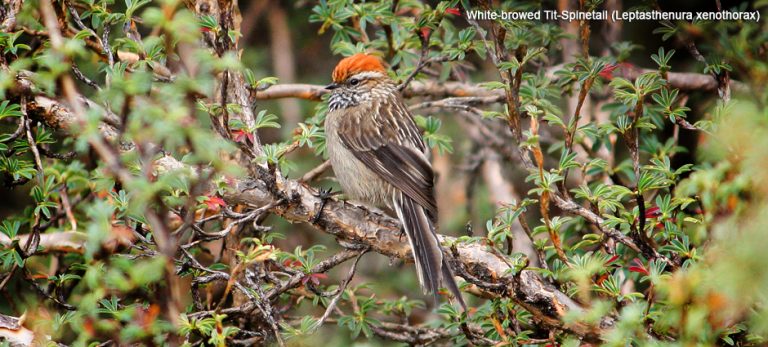
Birding Andes To The Amazon

BIRDING MANU 7 DAYS (MANU ROAD, CLOUD FOREST & PARROT CLAY LICK)
Manu Biosphere Reserve has the highest biodiversity of any protected area in the world. The unparalleled beauty of this trip is in the landscape and variety of habitats ranging from orchid-draped cloud forest where Spectacled Bears and Cock-of-the-Rocks still exist unbothered, to pristine Amazon rainforest with 13 primate species and oxbow lakes frequented by Giant Otters. A trip to Manu is a trip to one of the world´s great wilderness areas where wildlife is still plentiful and over 1000 species of birds have been recorded. Add to this a breathtaking visit to Machu Picchu and you have a trip of a lifetime.

TOUR ITINERARY : 7 DAYS BIRDING.

Day 1: Cusco to Wayqecha Biological Station (2950m)

Today we will leave early, first driving through scenic intermontane valleys. We will make selected stops for two smart endemics: Creamy-crested Spinetail and Chestnut-breasted Mountain-Finch. In addition, we may find Cinereous Conebill, Golden-billed Saltator, Band-tailed Seedeater, Peruvian and Ash-breasted Sierra-Finches, and Rufous-collared Sparrow. Reaching a high mountain pass at Ajcanacu, we will begin our journey into a vast intact wilderness area as we descend along the sinuous road that will take us to the Manu foothills. Along the extraordinary altitudinal transect that this remarkable road represents, new bird species continually appear whilst others drop out. Initially, the steep Andean slopes are clad in stunted forest, temperate shrubbery and wet paramo, and here we may well encounter such high-elevation species as Mountain Caracara, Shining Sunbeam, Bar-winged Cinclodes, Puna Thistletail, Tufted Tit-Tyrant, Black-throated and Moustached Flower-piercers. A little lower down, where the magnificent cloudforests begin, we shall look out for White-throated and Variable Hawks soaring over the impressive slopes. With a little luck we will see a Swallow-tailed Nightjar this evening. We will stay for one night at the Wayqecha Biological Station. In upper Manu-cloudforest. L:D.

Day 2: Wayqecha to Cock-of-the-rock Lodge.

Today we´ll target some tough birds like: Crimson-mantled Woodpecker, Blue-banded Toucanet the hummingbirds may include Gould´s Inca, Chestnut-breasted Coronet, Amethyst-throated Sunangel, Violet-throated Starfrontlet, Tyrian Metaltail and Rufous-capped Thornbill. Sorting through mixed flocks we hope to find Montane Woodcreeper, Marcapata Spinetail, Pearled Treerunner, Streaked Tuftedcheek, White-throated and White-banded Tyrannulets, Handsome and Inca Flycatchers, Barred Becard, Mountain Wren, Spectacled Redstart, Citrine and Pale-legged Warblers, Capped Conebill, Blue-and-black, Golden-collared, Blue-capped, Rust-and-yellow and Grass-green Tanagers, Hooded and Chestnut-bellied Mountain-Tanagers, Yellow-whiskered Bush-Tanager, and Black-capped, Black-eared and Superciliaried Hemispinguses. Additional species we may find in this area include Andean Guan, Speckle-faced and Scaly-naped Parrots, Andean Pygmy-Owl, Azara´s Spinetail, Striped Treehunter the endemic but hard to see Red-and-white Antpitta, TrillingTapaculo, Barred and Band-tailed Fruiteaters, Red-crested Cotinga, Sierran Elaenia, Black-throated Tody-Tyrant, Olive and Pale-edged Flycatchers, Rufous-breasted and Maroon-chested Chat-Tyrants, Streak-throated Bush-Tyrant, White-winged Black-Tyrant, Blue-and-white and Pale-footed Swallows, White-collared Jay, Fulvous Wren, Glossy-black, Great and Chiguanco Thrushes, Scarlet-bellied Mountain-Tanager, Mountain Cacique and many more. Night in Cock of the rock Lodge. B:L:D.

Day 3: Cock-of-the-rock Lodge (Lower Manu cloud forest 1400m).

Cock-of-the-rock Lodge, Birding the Manu road to the comfortable subtropical and lower temperate life zones with their spectacular avifauna: In a short distance is a lek of the Andean Cock-of-the-Rock. The most spectacular of the birds of paradise. The displays of these splendid birds and their unearthly strangled shrieks will be emblazoned in our memories for years to come. Near the lodge we shall search for such specialities as Black-billed Treehunter, Slaty Gnateater, Cinnamon-faced Tyrannulet, Versicoloured Barbet, Golden-olive Woodpecker, Olive-backed Woodcreeper, Montane Foliage-gleaner, Yellow-breasted Antwren, Streak-necked and Slaty-capped Flycatchers, Bolivian Tyrannulet, Marble-faced Bristle-Tyrant, Grey-mantled Wren, Andean and White-eared Solitaires, Brown-capped Vireo, Tropical Parula, Russet-crowned and Three-striped Warblers, Slate-throated Redstart, Deep-blue and Bluish Flower-piercers, Blue-naped Chlorophonia, Fawn-breasted, Orange-eared, Golden, Saffron-crowned, Yellow-throated and Slaty Tanagers, Yellow-throated and Common Bush-Tanagers, Black-faced Brush-Finch, Golden-headed and Crested Quetzals and Hummingbirds such jewels as Violet-fronted Brilliant, Many-spotted Hummingbird, Speckled Hummingbird, Booted Rackettail and Long-tailed Sylph as the morning sun warms up the crisp air we shall scan the skies for these huge raptors: Solitary and Black-and-chestnut Eagles. Additional birds we may encounter here include Band-tailed Pigeon, Chestnut-collared Swift, Masked Trogon, Highland Motmot, Amazonian Umbrellabird, Yungas Manakin, White-crowned Tapaculo, Cinnamon, Lemon-browed and Golden-crowned Flycatchers, Smoke-coloured Pewee, Green Jay, Grey-breasted Wood-Wren, Two-banded Warbler, Dusky-green Oropendola, Olivaceous Siskin and a dazzling array of tanagers. At nights we search for Rufescent Screech-Owl and Lyre-tailed Nightjar. Night in Cock-of-the-rock Lodge. B:L:D.
NOTE: If Wayqecha and Cock-of-the-rock Logde are full we´ll stay at the nearby very comfortable Paradise Lodge.

Day 4: Lower Manu road

After a final morning in the birdy cloudforests we will descend further down the Manu road to the comfortable Amazonia Lodge, we shall scan the boulder-strewn rapids for Black Phoebe and White-capped Dipper. Most of the day will be spent birding the upper tropical forests of the foothills in search of such species as Military Macaw, Peruvian Piedtail, Chestnut-backed Antshrike, Stripe-chested Antwren, Black Antbird, Ornate Flycatcher, the localized Red-billed Tyrannulet the endemic Black-backed Tody-Flycatcher. With a modicum of luck we will find an Amazonian Umbrellabird perched in a roadside tree. Cleared areas may produce Smooth-billed Ani, the odd-looking Swallow-Tanager, Blue-black Grassquit, Black-and-white and Chestnut-bellied Seedeaters, and Lesser Seed-Finch. During good weather, raptors often soar overhead and we shall keep an eye out for White Hawk and Black-and-white Hawk-Eagle in particular. Later we will cross the Alto Madre de Dios River to Amazonia Lodge, located at an elevation of 1750 ft (500 m). Our base for the next three nights stay. B:L:D.

Day 5: Amazonia Lodge 500m(1,750 feet)

We have two full days at this family-run hacienda, which already has a bird list of well over 500 species. It is situated where the last low foothills of the Andes begin to flatten out into the vast Amazonian lowlands. The floodplain near the lodge is covered in second growth only a few decades old, while on the steep hillsides tall primary forest is found. While birding the varied habitats at the lodge we will see a very rich assortment of birds. Some species we will especially look for include Blue-headed Macaw, Rufous-crested Coquette, Bluish-fronted Jacamar, Chestnut-capped Puffbird, Fine-barred Piculet, Bamboo Antshrike, Black-backed Tody-Flycatcher, and Golden-bellied Warbler. we should get good views of most if not all of them. Such localized species as Fiery-capped Manakin and Johannes´s Tody-Tyrant can often be found here as well and sometimes even the elusive Black-capped Tinamou can be seen. False Vervain flowers in the lodge garden attract a multitude of dazzling hummingbirds, with possibilities including Violet-headed Hummingbird, Blue-tailed and Sapphire-spangled Emeralds, Golden-tailed Sapphire and Amethyst Woodstar. Although the hummingbird feeder is usually dominated by the large Grey-breasted Sabrewing, patience should reward us with the lovely Gould´s Jewelfront. Many birds can even be observed from the lodge porch, including the huge Boat-billed Flycatcher, the noisy Pale-legged Hornero and the skulking Plain-crowned Spinetail. Male Yellow-rumped Caciques engage in vocal imitations from their nesting trees while the bird table provides close-up views of several species of tanager. A small marsh provides shelter for secretive Blackish Rails, though we shall be fortunate if we get to see these vocal birds, while even harder to see is the small Uniform Crake, which prefers the undergrowth of dense swampy forest. While climbing up the primary forest-clad ridge that overlooks the lodge we may encounter the endemic Koepcke´s Hermit, the terrestrial Grey-throated Leaftosser in the dark understorey the Plain Antvireo, whilst lively mixed canopy flocks could hold Olivaceous and Ocellated Woodcreepers, Speckled Spinetail, Rufous-tailed Antwren, Spectacled Bristle-Tyrant, and Carmiol´s Tanager. We can try our luck with the nightbirds found in the vicinity of the lodge, such as Tawny-bellied Screech-Owl, Black-banded Owl, Common Potoo and Common Pauraque. Other birds we may find in this wonderful area include Undulated Tinamou, Speckled Chachalaca, White-eyed Parakeet, White-collared Swift, Violaceous Trogon, Chestnut-capped Puffbird, Straight-billed Woodcreeper, Buff-throated Foliage-gleaner, Band-tailed Antbird, Amazonian Antpitta, Band-tailed Manakin, Yellow-crowned and White-lored Tyrannulets, Forest Elaenia, Long-tailed Tyrant, Dusky-capped, Short-crested, Social, Grey-capped and Streaked Flycatchers, Tropical Kingbird, White-winged Becard, Purplish Jay, House Wren, Black-billed Thrush, Solitary Black Cacique, Bananaquit, Spotted, Yellow-bellied, Blue-necked, Turquoise, Bay-headed, Palm and Blue-grey Tanagers, and Greyish and Buff-throated Saltators. If we are very fortunate we will find one of the more difficult and highly sought-after species of the area such as Buckley´s Forest-Falcon, Long-tailed Potoo or Rufous-webbed Brilliant. Night at Amazonia Lodge B:L:D

Day 6: Parrot Clay Lick & Machuwasi Lake

Early start to visit the small Parrot Clay Lick, 25 minutes downriver along the Madre de Dios River bank. We will see Chestnut-Fronted Macaw, Blue-Headed Macaw, Dusky-Headed Parakeet, White-Eyed Parakeet, Blue-Headed Parrot and Yellow-Crowned Parrot. Then we will board our motorized canoe that we will take us to Machuwasi Lake. We will bird the lake for Horned Screamer, Rufesent Tiger-Heron, Pale-eyed Blackbird and few bamboo forest let, for Bamboo Antshrike, Fasciated Antshrike, White-Lined Antbird, White-Eyed Antwren, Yellow-breasted Warbling-Antbird, Striated Antbird, Manu Antbird, Goeldi´s Antbird, Whithe-Throated Antbird, Band-tailed Antbird, Spot-backed Antbird, Plain-throated Antwren and many more. Night at Amazonia Lodge. B:L:D.

Day 7: Amazonia Lodge to Cusco

After some final birding in lower Manu cloud forest, we will travel back to Cusco picking up species we may missed. B:L.


TOUR INFORMATION 2026
PRICE: min. 2 passengers — based in double occupancy.
INCLUDED: All Lodging, Meals, transpotation, Expert bilingual birdguide, Hotel transfer and entrance fees.
NOT INCLUDED: Personal expenses

TRIP CONSIDERATIONS
Walking: The walking effort is easy to moderate.
Climate: Rather variable. At high altitudes conditions range from cool to decidedly cold in the early morning. At middle elevations many days are dry and sunny, and overcast.
ACCOMMODATION: The jungle lodges are comfortable but simple; some do not have full-time electricity, but provide a generator for a few hours a day to charge batteries. Amazonia Lodge and Wayqecha Research Center with shared bathroom facilities. Single rooms are not available at Wayqecha Biological Station, but we will find you a roommate of the same sex if you are booking as a single. Cock-of-the-rock Lodge consists in double rooms with a private toilet and shower facilities. Hot and cold water is always available and all toilets facilities are flush.

Bird Photography: Opportunities are worthwhile.
Linkable Amazon birding:  Northern,Central &Southern peru tours

What to Bring
We advise you to bring:
Aside from Binoculars and photo-equipment (the important birdwatchers stuff) we advise:

  • A spotting scope, if you have one
  • Flashlight for night birding
  • Light day pack
  • Sunscreen and insect repellent
  • T-shirts and a long-sleeved shirt
  • Jeans or other cotton pants are comfortable, as well as quick-drying nylon ones
  • Cotton socks
  • Sweater, jacket or fleece for night birding
  • Light jacket, water resistant, or poncho
  • Hiking boots or sturdy shoes
  • Sandals for after hours
  • Hat and sunglasses
  • Plastic bags for camera, clothes, etc
  • Personal toiletries (shampoo, towel, etc)

Amazon Birding look forward to welcoming and guiding you soon!
Last minute bookings will be accepted but you must be aware that there is the possibility that we will not get space at the hotel or tour that you need.

PLEASE CHECK OUR MANU NATIONAL PARK BIRD LIST

AMAZON BIRDING: Conservation through bird-ecotourism.

Birding Manu Cloud Forest

BIRDING MANU NATIONAL PARK 4 DAYS

Manu Biosphere Reserve has the highest biodiversity of any protected area in the world. The unparalleled beauty of this trip is in the landscape and variety of habitats ranging from orchid-draped cloud forest where Spectacled Bears and Cock-of-the-Rocks still exist unbothered, to pristine Amazon rainforest with 13 primate species and oxbow lakes frequented by Giant Otters. A trip to Manu is a trip to one of the world´s great wilderness areas where wildlife is still plentiful and over 1000 species of birds have been recorded. Add to this a breathtaking visit to Machu Picchu and you have a trip of a lifetime.

TOUR ITINERARY : 4 DAYS BIRDING.»

Day 1: Cusco to Wayqecha Biological Station (2950m)

Today we will leave early, first driving through scenic intermontane valleys. We will make selected stops for two smart endemics: Creamy-crested Spinetail and Chestnut-breasted Mountain-Finch. In addition we may find Cinereous Conebill, Golden-billed Saltator, Band-tailed Seedeater, Peruvian and Ash-breasted Sierra-Finches and many more. Reaching a high mountain pass at Acjanaco, we will begin our journey into a vast intact wilderness area as we descend along the sinuous road that will take us to the Manu foothills.

Along the extraordinary altitudinal transect that this remarkable road represents, new bird species continually appear whilst others drop out. Initially the steep Andean slopes are clad in stunted forest, temperate shrubbery and wet paramo, and here we may well encounter such high-elevation species as Mountain Caracara, Shining Sunbeam, Bar-winged Cinclodes, Puna Thistletail, Tufted Tit-Tyrant and Black-throated and Moustached Flower-piercers. A little lower down, where the magnificent cloudforests begin, we shall look out for White-throated and Variable Hawks soaring over the impressive slopes. With a little luck we will see a Swallow-tailed Nightjar this evening. We will stay for one night at the Wayqecha Biological Station. In upper Manu-cloudforest. L:D.

Day 2: Wayqecha to Cock-of-the-rock Lodge

Today we´ll target some tough birds like: Crimson-mantled Woodpecker, Blue-banded Toucanet, the hummingbirds may include Gould´s Inca, Chestnut-breasted Coronet, Amethyst-throated Sunangel, Violet-throated Starfrontlet, Tyrian Metaltail and Rufous-capped Thornbill. Sorting through mixed flocks, we hope to find Montane Woodcreeper, Marcapata Spinetail, Pearled Treerunner, Streaked Tuftedcheek, White-throated and White-banded Tyrannulets, Handsome and Inca Flycatchers, Barred Becard, Mountain Wren, Spectacled Redstart, Citrine and Pale-legged Warblers, Capped Conebill, Blue-and-black, Golden-collared, Blue-capped, Rust-and-yellow and Grass-green Tanagers, Hooded and chestnut-bellied Mountain-Tanagers, Yellow-whiskered Bush-Tanager, and Black-capped, Black-eared and Superciliaried Hemispinguses. Additional species we may find in this area include Andean Guan, Speckle-faced and Scaly-naped Parrots, Andean Pygmy-Owl, Azara´s Spinetail, Striped Treehunter, the  endemic but hard to see Red-and-white Antpitta, Trilling Tapaculo, Barred and Band-tailed Fruiteaters, Red-crested Cotinga, Sierran Elaenia, Black-throated Tody-Tyrant, Olive and Pale-edged Flycatchers, Rufous-breasted and Slaty-backed Chat-Tyrants, Streak-throated Bush-Tyrant, White-winged Black-Tyrant, Blue-and-white and Pale-footed Swallows, White-collared Jay, Fulvous Wren, Glossy-black, Great and Chiguanco Thrushes, Scarlet-bellied Mountain-Tanager and Mountain Cacique. Night in Cock of the rock Lodge. B:L:D.

Day 3: Cock-of-the-rock Lodge (Lower Manu cloud forest 1400m)

Birding the Manu road to the comfortable subtropical and lower temperate life zones with their spectacular avifauna. In a short distance is a lek of the Andean Cock-of-the-Rock. The most spectacular of the birds of paradise, the displays of these splendid birds and their unearthly strangled shrieks will be emblazoned in our memories for years to come. Near the lodge we shall search for such specialities as Black-billed Treehunter, Slaty Gnateater, Cinnamon-faced Tyrannulet, Versicoloured Barbet, Golden-olive Woodpecker, Olive-backed Woodcreeper, Montane Foliage-gleaner, Yellow-breasted Antwren, Streak-necked and Slaty-capped Flycatchers, Bolivian Tyrannulet, Marble-faced Bristle-Tyrant, Grey-mantled Wren, Andean and White-eared Solitaires, Brown-capped Vireo, Tropical Parula, Russet-crowned and Three-striped Warblers, Slate-throated Redstart, Deep-blue and Bluish Flower-piercers, Blue-naped Chlorophonia, Fawn-breasted, Orange-eared, Golden, Saffron-crowned, Yellow-throated and Slaty Tanagers, Yellow-throated and Common Bush-Tanagers, Black-faced Brush-Finch, Golden-headed and Crested Quetzals and Hummingbirds such jewels as Violet-fronted Brilliant, Many-spotted Hummingbird, Speckled Hummingbird, Booted Rackettail, Long-tailed Sylph and as the morning sun warms up the crisp air we shall scan the skies for these huge raptors. Solitary and Black-and-chestnut Eagles, additional birds we may encounter here include Band-tailed Pigeon, Chestnut-collared Swift, Masked Trogon, Highland Motmot, Amazonian Umbrellabird, Yungas Manakin, White-crowned Tapaculo, Cinnamon, Lemon-browed and Golden-crowned Flycatchers, Smoke-coloured Pewee, Green Jay, Grey-breasted Wood-Wren, Two-banded Warbler, Dusky-green Oropendola, Olivaceous Siskin and a dazzling array of tanagers. At nights we search for Rufescent Screech-Owl and Lyre-tailed Nightjar. Night in Cock-of-the-rock Lodge. B:L:D.

NOTE: If Wayqecha and Cock-of-the-rock Logde are full we´ll stay at the nearby very comfortable Paradise Lodge

Day 4: Cock-of-the-rock Lodge to Cusco

After some final birding in lower Manu cloud forest, we will travel back to Cusco picking up species we may missed.


TOUR INFORMATION 2026
PRICE: min. 2 passengers — based in double occupancy.
INCLUDED: All Lodging, Meals, transpotation, Expert bilingual birdguide, Hotel transfer and entrance fees.
NOT INCLUDED: Personal expenses

TRIP CONSIDERATIONS
Walking: The walking effort is easy to moderate.
Climate: Rather variable. At high altitudes conditions range from cool to decidedly cold in the early morning. At middle elevations many days are dry and sunny, and overcast.
ACCOMMODATION: The jungle lodges are comfortable but simple; some do not have full-time electricity, but provide a generator for a few hours a day to charge batteries. Wayqecha Biological Station with shared bathroom facilities. Single rooms are not available at Wayqecha Research Center, but we will find you a roommate of the same sex if you are booking as a single. Cock-of-the-rock Lodge consists in double rooms with a private toilet and shower facilities. Hot and cold water is always available and all toilets facilities are flush.

Bird Photography: Opportunities are worthwhile.
Linkable Amazon birding:  Northern, Central & Southern peru birding tours

What to Bring
We advise you to bring:

  • Aside from Binoculars and photo-equipment (the important birdwatchers stuff) we advise:
  •  A spotting scope, if you have one
  • Flashlight for night birding
  • Light day pack
  • Sunscreen and insect repellent
  • T-shirts and a long-sleeved shirt
  • Jeans or other cotton pants are comfortable, as well as quick-drying nylon ones
  • Cotton socks
  • Sweater, jacket or fleece for night birding
  • Light jacket, water resistant, or poncho
  • Hiking boots or sturdy shoes
  • Sandals for after hours
  • Hat and sunglasses
  • Plastic bags for camera,clothes, etc
  • Personal toiletries (shampoo, towel, etc)

Amazon Birding look forward to welcoming and guiding you soon!
Last minute bookings will be accepted but you must be aware that there is the possibility that we will not get space at the hotel or tour that you need.

PLEASE CHECK OUR MANU NATIONAL PARK BIRD LIST

AMAZON BIRDING: Conservation through bird-ecotourism.